

I Want One Car. That Does It All
Indians want a car that can commute, cruise, climb, crawl and last. The trouble is that cars are getting better at everything—and specialised at the same time
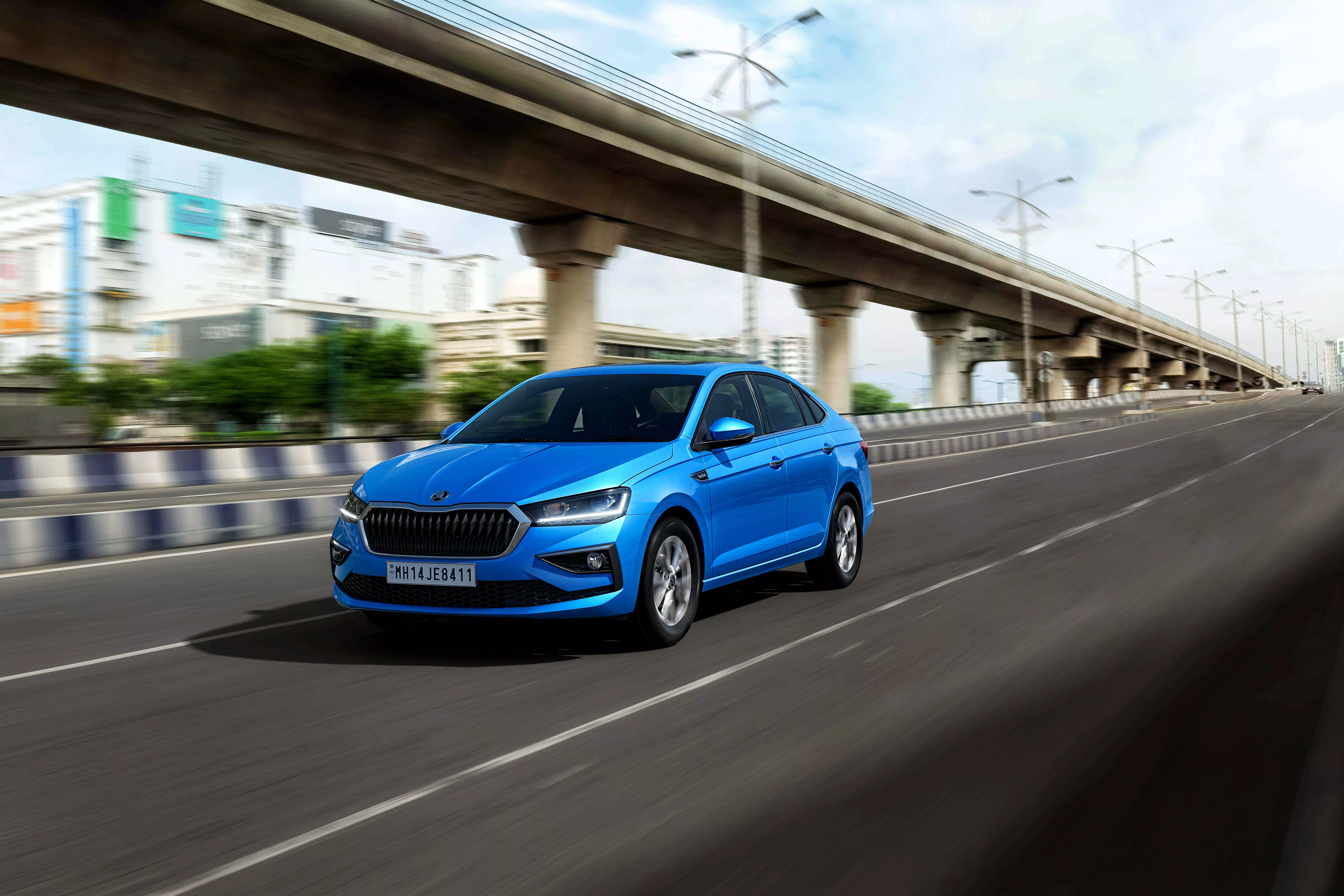


I want a car that can cruise at 120 kmph all day. Climb a mountain when I feel adventurous. Survive a road that disappeared three kilometres ago. Crawl through city traffic without making my left leg hate me. Return decent mileage. Run without trouble for 15 years. And still fetch a respectable price when I finally decide to let it go. It is not an unreasonable request, is it? After all, it is only a car.
Except that it is not. Modern Indian car buyers wants a vehicle that can do almost everything. Monday to Friday, it must be comfortable in traffic. On Saturday, it should be happy on a highway. On holiday, it should take the family up a mountain. And if the mountain road suddenly becomes a suggestion rather than real tarmac, it should not panic.
It should be automatic, economical, reliable, comfortable, spacious, powerful enough, tough enough and preferably not ruinous to maintain. In short, I want one machine to behave like five.
City vs Country
The problem begins when the car leaves the showroom. City driving rewards compact dimensions, light controls, good visibility, an automatic gearbox and the ability to squeeze into spaces designed before SUVs took over our world. A tall, heavy, four-wheel-drive machine may look wonderfully reassuring… Until it has to make a U-turn in a crowded market.
Go to the hills and the priorities change. Ground clearance suddenly matters. So does traction. And suspension travel. And torque. A car that felt perfectly adequate in the city can begin to look less convincing when the tarmac disappears and the road starts climbing at an angle that makes passengers stop talking. And start praying.
Then there are the highways. Here, what most drivers want is simple: stability, quietness, good seats, strong brakes and an engine that does not feel as if it has been brought up on dalia and tori when pushed to 120 kmph. The trouble is that every one of these virtues comes with a price.
Make a car tough enough for bad roads and it becomes heavier. Make it bigger and it becomes less convenient in town. Give it serious off-road ability and fuel efficiency suffers. Make it small and efficient and it is not the machine you want when the road turns into a rocky track. Or no track. The perfect compromise remains stubbornly elusive.
Automatics Rule
There is, however, one part of the dream that has already arrived. The clutch pedal is slowly becoming a memory. For anyone who learnt to drive in India’s old traffic, this is not a small development. There was a time when driving through a city meant repeatedly pressing a clutch, selecting first gear, moving two metres, stopping, pressing the clutch again and wondering why your left leg had been singled out for this torture chamber.
Today, even relatively affordable cars offer automatic or clutch-free transmissions. AMTs, IVTs, CVTs, DSGs, DCTs and torque converters have made the three-pedal car difficult to justify for someone spending hours in traffic. That has also changed what people expect from a car. We no longer want to work the machine. We want the machine to work for us.
But there is a catch. The more sophisticated the gearbox, electronics and connected technology become, the more complicated the car becomes too. And the Indian buyer still has another requirement sitting quietly at the back of the mind: Will it still be working properly 10 years from now?
Fifteen-Year Test
This is where the old logic of car buying still refuses to disappear. People may talk about screens, ADAS, panoramic sunroofs and connected technology, but ask an Indian family what it really wants from a car and the answer is often brutally practical: Will it last?
This is why brands with reputations for durability command a different kind of loyalty. A car that starts like a good boy every morning for 12-15 years has delivered something that cannot be measured by the number of features on its specification sheet.
Then comes the resale. The Indian car is rarely just transportation. It is also an asset. We may buy it new, drive it for years, complain about its mileage, curse its service bill and occasionally threaten to replace it. But when the time comes, we still want somebody else to pay a respectable amount for it.
That creates a peculiar equation. We want the newest technology but old-fashioned reliability. We want more power but better mileage. We want bigger cars but lower running costs. We want sophisticated electronics but mechanical simplicity. We want an SUV but city-car dimensions. And we want all of it at a price that makes sense.
Multi-Car Answer?
Maybe this is why the Indian automobile market has become so fragmented. There are cars for cities, cars for highways, cars for families, cars for rough roads, cars for fuel economy and cars for people who want to be noticed. There are petrols, diesels, CNGs, hybrids, plug-in hybrids, full-blown EVs and cars that are a combination of several of these ideas. The industry keeps giving us more choices. Yet, the consumer keeps asking for the same thing: Can I have one car that does everything?
Perhaps the honest answer is no. Perhaps the better answer is that we have been looking at the question the wrong way. The perfect car may not be the one that does everything brilliantly. It may be the one that does most things well enough, most of the time, without making you think about what it cannot do.
A car that is comfortable in traffic, relaxed on a highway, competent on a mountain road, reasonably economical, dependable for years and still desirable when you are ready to sell it. That sounds less like a fantasy and more like the holy grail of the Indian motoring mindset. When you find one, do not tell me. Because I am looking for it too.