
160 Years of Courage & Collective Awakening
Born in labour struggles and suffrage movements, International Women’s Day is both a celebration of progress and a reminder that the struggle for equality continues across workplaces, homes and institutions
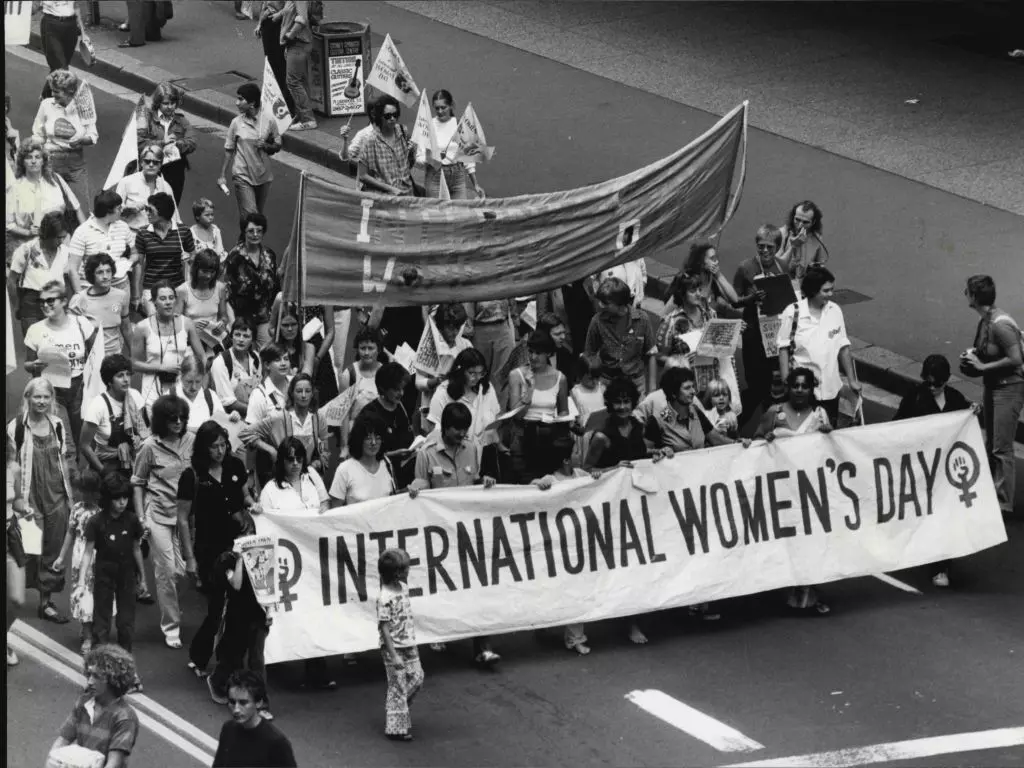


March 8 is not merely a date on the calendar – it is a living archive. It remembers smoke-filled factories, frost-bitten streets, hunger strikes, and handwritten petitions. It recalls women who marched when marching meant arrest, who spoke when speaking invited ridicule, and who organised when organising risked punishment. International Women’s Day was not born in comfort. It was forged in resistance.
For more than 160 years, it has carried unfinished conversations between power and justice, law and lived experience, promise and reality. It belongs as much to the unnamed factory worker of the nineteenth century as to today’s legislator, scientist, and entrepreneur. From London to Petrograd, from India to Spain, from Singapore to Afghanistan, March 8 is both inherited and intentional.
The intellectual roots of this day stretch back to the French Revolution. As cries of liberté, égalité, fraternité echoed through Paris, women marched to Versailles demanding bread and justice. They were not spectators to history; they were its pulse. Yet the Declaration of the Rights of Man excluded them. Equality was proclaimed – but not applied. That contradiction between rhetoric and recognition would animate women’s movements for generations.
Once women encountered the language of equality, they refused to relinquish it.
In 1857, women garment workers in New York City are said to have walked out of factories to protest long hours, unsafe conditions, and meagre wages. Though police dispersed the protest, the symbolism endured. The factories became classrooms of consciousness. Women learned that collective resistance was possible – that organisation itself was power. Labour rights and gender justice began to intertwine.
By 1908, more than 15,000 women marched through New York demanding better wages, shorter hours, safer workplaces, and, crucially, the right to vote. Economic justice without political voice, they understood, was fragile. The following year, the first National Women’s Day was declared in the United States, marking a shift from spontaneous protest to organised strategy.
In 1910, at the Second International Conference of Working Women in Copenhagen, Clara Zetkin proposed an annual International Women’s Day dedicated to suffrage and equality. Delegates from 17 countries endorsed the idea unanimously. Borders dissolved in that room. Women recognised that their struggles, though shaped by different contexts, were connected.
A year later, more than one million people rallied across Europe for women’s rights. Around the same time, the “Bread and Roses” movement in the United States captured the ethical essence of the struggle: bread for economic security, roses for dignity and a life worth living. The demand was not merely for survival, but for meaning.
In Britain, suffragettes led by Emmeline Pankhurst intensified the fight. They chained themselves to railings, disrupted meetings, endured imprisonment, and undertook hunger strikes. Rights were not bestowed; they were wrested from indifference. After more than 10 years, by 1928, equal suffrage was achieved.
Then came March 8, 1917. Women textile workers in Petrograd struck for “Bread and Peace,” igniting protests that would lead to the abdication of Tsar Nicholas II. Within days, women gained suffrage in Russia. A few moments illustrate more clearly how collective action can reshape history.
Over the decades, International Women’s Day spread across continents. In China, it gained recognition as part of broader nation-building efforts. In Spain, it mobilises millions against gender-based violence and economic inequality. Singapore, Trinidad and Tobago, Afghanistan, and many other nations integrated March 8 into civic life, turning it into a platform for assertion rather than ceremony.
In 1975, the United Nations formally recognised International Women’s Day, linking gender equality to peace, development, and human rights. The day evolved from protest to global policy platform. Annual themes now address political representation, economic equity, climate justice, and digital inclusion. The moral appeal of March 8 found institutional expression. It started celebrating International Women’s Day in 1977.
India’s engagement with women’s rights runs parallel to this global journey. In 1917, Indian women petitioned for suffrage before colonial authorities. Social reform movements had already challenged child marriage and educational exclusion. At Independence in 1947, the Constitution granted universal adult franchise—an extraordinary democratic commitment. The 73rd and 74th Constitutional Amendments in 1992 brought millions of women into local governance, reshaping priorities in sanitation, health, and education. The Women’s Reservation Act of 2023 marked another structural step toward inclusive representation.
Yet International Women’s Day is not only about milestones achieved. It is also about unfinished work.
Women today lead governments, command scientific missions, perform complex surgeries, negotiate treaties, and build transformative enterprises. At the same time, wage gaps endure. Violence persists. Representation remains uneven. In many parts of the world, access to education, healthcare, and digital tools still depends on gender. This is why International Women’s Day remains both a celebration and a conscience.
The 2026 theme, “Give to Gain,” reframes empowerment as collective progress. Investing in women—through education, mentorship, healthcare, and leadership opportunities – is not charity. It is a strategy. When girls receive education, economies expand. When women participate in governance, communities prioritise health and social welfare. When women lead enterprises, resilience deepens.
To give is to multiply.
March 8 reminds us that equality is not inherited automatically; it is maintained intentionally. It remembers the smoke of nineteenth-century factories, the marchers of 1908, the delegates in Copenhagen, the suffragettes of Britain, the strikers of Petrograd, the reformers of India, and the millions who continue to march today.
History is not merely observed. It is inherited.
And when women organise, speak, and lead, history moves. It moves steadily, sometimes slowly, often against resistance—but always forward. International Women’s Day stands as enduring proof that courage and collective awakening can reshape societies.



