
India weigh options as Sharma out for Namibia clash
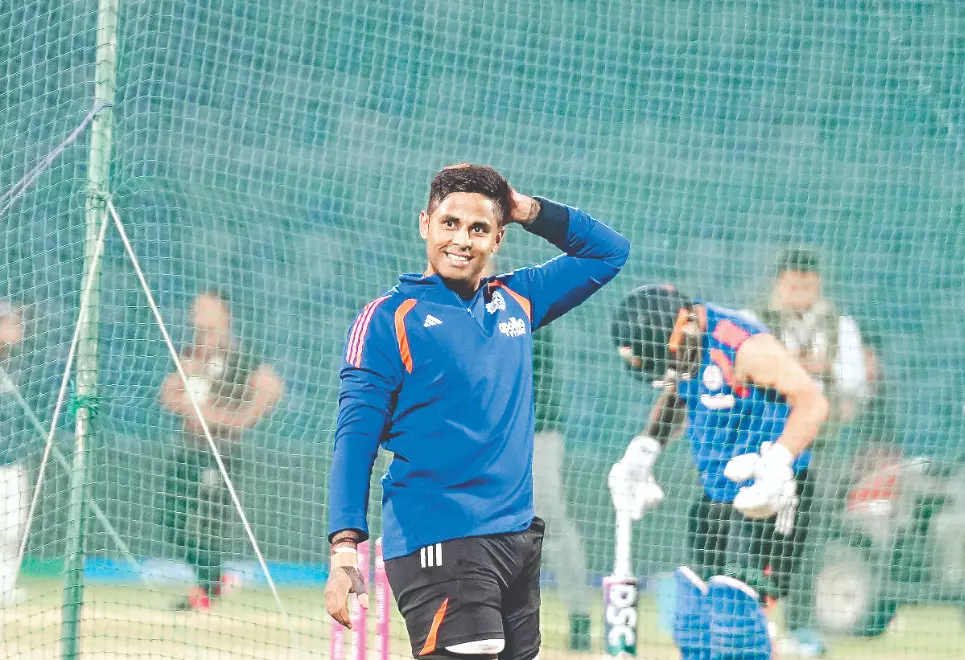


New Delhi: On most World Cup evenings, India take the field cushioned by expectation. This one arrives with a wrinkle.
Just before their Group A encounter with Namibia at the Arun Jaitley Stadium, star opener Abhishek Sharma has been hospitalised with a stomach infection and is unlikely to take guard. The left-hander’s aggressive powerplay batting has been central to India’s early tempo in this format.
This leaves India with the immediate question of a stitching up a new combination at the mouth. Sanju Samson would have been the most straightforward batting replacement from the 15-member squad. A right-hander who can counterattack and shift gears quickly, Samson offers balance alongside Ishan Kishan. However, his recent returns have been less than modest, and the team management may hesitate to disrupt roles too sharply. That opens the door for Washington Sundar.
Including the all-rounder would give India greater bowling flexibility and allow them to recalibrate the batting order without relying on a like-for-like opener.
It would mean Ishan assumes greater responsibility at the top while stroke-makers slot around him. India have options — and in tournament cricket, options are insurance. On paper, India remain the overwhelming favourites. The two sides have met once in T20 World Cup history — in Dubai in 2021 — when India recorded a comfortable nine-wicket victory.
The disparity in ranking and exposure is evident. India field multiple batters averaging above 30 in T20Is with strike rates beyond 140, while their bowling unit has been among the most economical in the tournament.
Jasprit Bumrah, who has returned to training after recovering from a minor stomach bug of his own, is expected to spearhead the attack alongside Arshdeep Singh. Control at the death remains India’s strongest currency.
Namibia, though, are not here to decorate the schedule. Captain Gerhard Erasmus anchors their batting with calm authority. Jan Frylinck provides left-handed aggression in the middle order, while JJ Smit and Ruben Trumpelmann lead a disciplined seam attack capable ofexploiting early movement.
Namibia’s cricket is built on structure — tight
overs, sharp fielding and partnerships rather than bursts of brilliance.
The powerplay could set the tone. Without Abhishek’s fearless starts, India may begin cautiously, which could allow Trumpelmann and Smit a window. Early wickets are Namibia’s clearest path to relevance in this contest.
Beyond that phase, India’s control in the middle overs often proves decisive. With Suryakumar Yadav dictating tempo and a spin unit that squeezes opposition scoring, India are designed to dictate rather than chase momentum.Context sharpens the stakes. Pakistan top the group table with four points from two matches, and India can ill-afford complacency —particularly after their batting stutter against the USA, where Suryakumar’s 84 off 49 balls salvaged the innings. Net run rate and momentum both matter at this stage. Conditions in Delhi are expected to favour batters once settled, though early movement under lights may assist seamers.
Dew could tilt the toss toward chasing, with a par first-innings score around 170–180. For India, this is about authority.
For Namibia, it is about stretching the contest and competing in moments. If India are clinical, it reinforces their contender status. If Namibia push them deep, they earn respect. Under the Delhi lights, expectation and opportunity will share the same stage.



