As Windies pick up the pieces, Hope finds progress in elimination
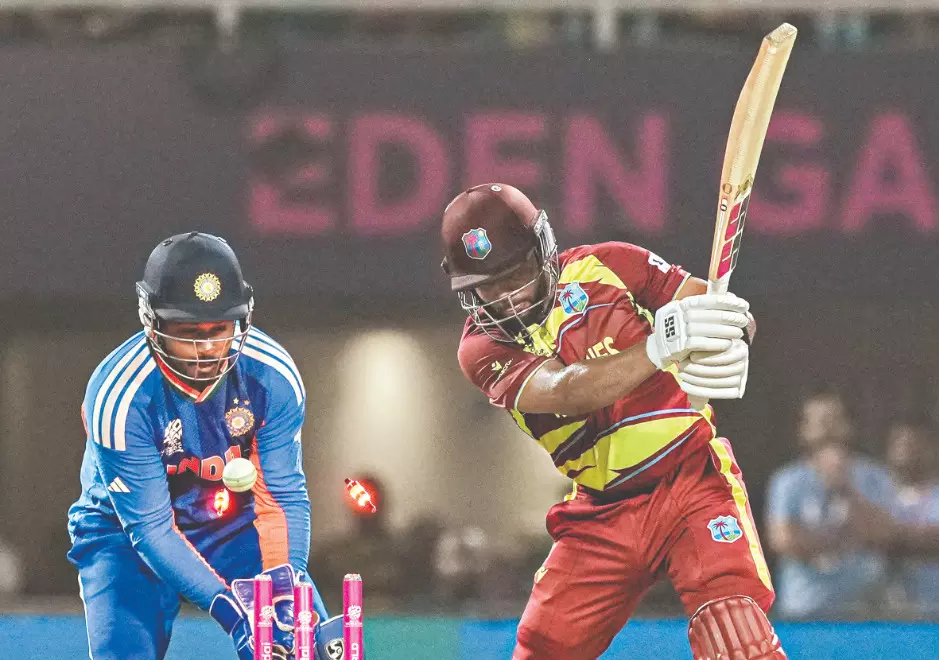


Kolkata: The night ended in elimination, but West Indies captain Shai Hope chose reflection over regret. In a calm and candid press conference at Eden Gardens, he framed his side’s T20 World Cup exit as a story of progress — one defined by growth, yet undone by a handful of decisive moments.
Hope’s central theme was development, particularly with the ball. He highlighted a campaign in which West Indies consistently struck during the powerplay, calling it “outstanding” that the bulk of their wickets in the group stage came inside the first six overs.
The new-ball pairing set the tone, the spinners controlled the middle overs, and roles were clearly defined. “We were very precise with the way we wanted to go about playing against each opposition,” he said, stressing that planning and match-ups had finally begun to align with on-field execution.
There were positives with the bat as well. Shimron Hetmyer’s promotion to No. 3 injected impetus, and contributions came from across the order through the tournament. Even on the night of elimination, Hope pointed to 45 without loss in the powerplay as a platform — short of the 65–70 they ideally target, but a base from which a stronger push should have emerged.
“Execution in the powerplay from the batting side wasn’t as we wanted,” he admitted, returning to his recurring theme: fine margins.
Those margins were further narrowed by conditions. Dew at Eden Gardens tilted the contest in favour of the chasing side, and a string of lost tosses meant West Indies were repeatedly forced to bowl second. Plans — such as using Akeal Hosein’s control early and exploiting left-right match-ups — were sound, Hope maintained, but far more difficult to execute once the ball grew slick and the surface eased. He was generous in acknowledging the opposition, singling out Sanju Samson for a “very smart and calculated” innings that merited “an A-plus.” Yet Hope did not shy away from self-assessment. He conceded that his own tempo at the top could have been sharper and that he “didn’t get going” despite feeling he struck the ball well.
Ultimately, the tone was forward-looking. Fielding remains an area for improvement, and execution in key phases must be refined. But the identity — clarity of roles, a sharper new-ball threat, and a batting order built on intent — has begun to take shape.
“The guys represented the region well,” Hope said. “We can go home with our heads held high.”