In a multi-test series, this is just the 1st innings: Vaishnaw on AI evolution
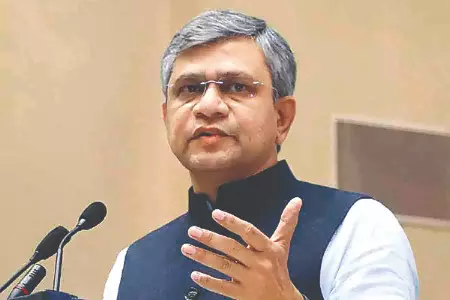


New Delhi: In a multi-test series, this is just the first innings, IT Minister Ashwini Vaishnaw on Friday said, using the cricket analogy to underline that the evolution of artificial intelligence (AI) is still at an early stage.
The minister also pointed to the growing appeal of smaller models over large, frontier AI models. He cited rapid shifts in computing in the past, from mainframes to personal computers, and noted just how quickly dominant technologies can be disrupted.
“In a multi-test series, this is just the first innings. We have seen the transition that happened in the computer world from the mainframe to PC, the transition was so sudden...just within a few years.
“I won’t be surprised, going forward, the way AI is being used today or the way AI models are being trained today...will change significantly in the coming years, even coming months, maybe. Things are changing rapidly,” Vaishnaw said at a briefing ahead of the ‘India AI Impact Summit 2026’.
The minister noted that global experts he interacted with at the just-concluded World Economic Forum believe smaller AI models capable of running on laptops, without massive computing infrastructure, are already good enough to solve most problems faced by large enterprises.
“Specialisation will be key, having a large encyclopedia kind of model versus having a focused solution provider, those things will be big questions. So, we have to navigate this change in a thoughtful manner and a manner where our capital, talent, HR and IT industry strength can be best utilised in the coming years,” he said.
It is pertinent to mention here that the Economic Survey on Thursday too made a strong case for a bottom-up, multiple sector-specific approaches grounded in open and interoperable systems to promote collaboration and shared innovation when it comes to AI.
This, the survey said, aligns with India’s strengths in human capital, data diversity and institutional coordination. It favoured local alignment over pursuing big, frontier model build-outs, and pushed, instead, for smaller models, defined uses and sectoral needs.
India’s demand for AI is emerging from real-world problems rather than speculative frontier uses, the document noted, as it dedicated a full chapter to ‘Evolution of the AI Ecosystem in India’, the sharp spotlight on the topic itself signalling the importance of the transformational technology for India and its policymakers.
Citing healthcare, agriculture, urban management, education, disaster preparedness, and public administration, and many other areas that have potential for AI deployments, the survey highlighted the growing appetite for such systems that work on local hardware and operate in low-resource settings.
From early disease screening and precision water management to farmer market access, classroom analytics, and regional language interfaces, adoption is emerging where AI lowers costs and compensates for structural shortcomings, the survey emphasised.
Such uses signal a large and scalable market for frugal, application-focused AI solutions tailored to India’s economic and social landscape.
The Economic Survey focused on aligning AI adoption with India’s structural realities — capital availability, energy constraints, institutional capacity, and market depth, so technology choices reinforce long-term growth instead of creating fragile dependencies.