Amid El Niño threat, central India likely to see rainfall deficit
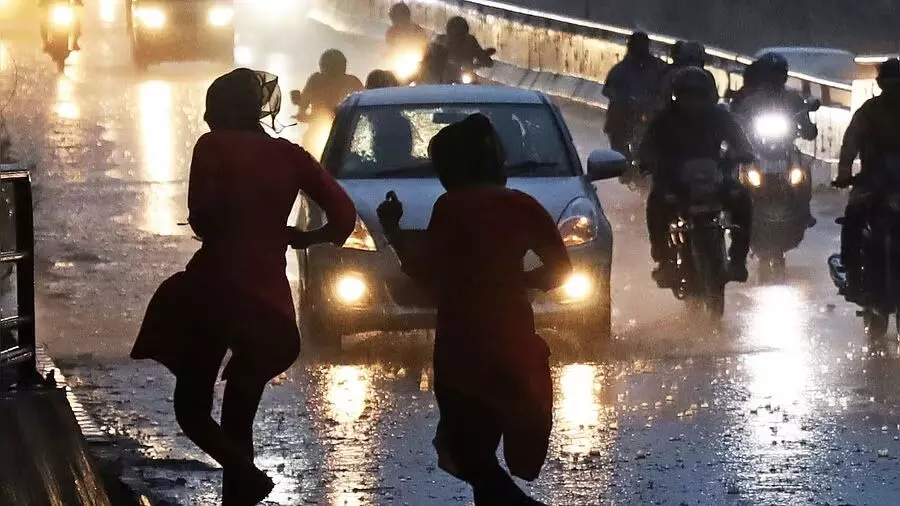


New Delhi: States, including Maharashtra, Madhya Pradesh, Chhattisgarh, Jharkhand and parts of Bihar, are expected to face deficient rainfall this monsoon while regions across the Northeast, Northwest and southern India are likely to receive normal to above-normal showers, pointing to a starkly uneven monsoon pattern across the country.
The India Meteorological Department, in a report, stated that the 2026 monsoon will be “below normal” about 92 per cent of what farmers typically expect.
Central India’s rainfed farming belt Vidarbha, Bundelkhand, eastern Madhya Pradesh, depends on monsoon rains like a city depends on water pipes. Farmers here grow cotton, pulses, soybean. No rain means no seeds to sow. No sowing means no harvest. No harvest means selling land or borrowing more debt.
Water officials, on account of anonymity, said that reservoirs in central India never really recovered from the last drought. The buffer is gone.
“We’ve already told farmers to prepare for the worst,” said the official, an irrigation officer, who asked not to be named. “Some are talking about leaving farming altogether.”
In Jharkhand and Bihar, where irrigation is scarce and farmers are often poorer, the story is worse. Many are already planning to shift to shorter-season crops that will survive on less water.
The forecast report hints at El Niño developing during the monsoon season itself. Historically, El Niño suppresses monsoon rainfall over India. A double hit—rains arrive late and stay weak.
A national average of 92 per cent rainfall sounds manageable. When one state gets 105 per cent rain and another gets 80 per cent, the average tells you nothing about the farmer in the state getting 80 per cent.
“Central India typically produces a quarter of India’s cotton and a fifth of its pulses,” said an official in the government department. “A 15-20% rainfall deficit could translate to significant crop losses, food inflation, and rural distress.”
Suresh Bhakare is a cotton farmer in Vidarbha, Maharashtra. This May, as he prepares to sow, he’s checking dam levels instead of planning his usual harvest. “Last year’s monsoon came late,” he says. “If this one is weak too, I don’t know how many years I can hold on.”
He should worry. India’s weather forecasters just handed out bad news but not equally to everyone. For Suresh and millions like him in the drought-prone zones, it’s devastating.
For now, Suresh Bhakare and millions of others are doing what farmers have always done: hope. And prepare for the worst.