2025 emerges as a landmark year for healthcare transformation in UP
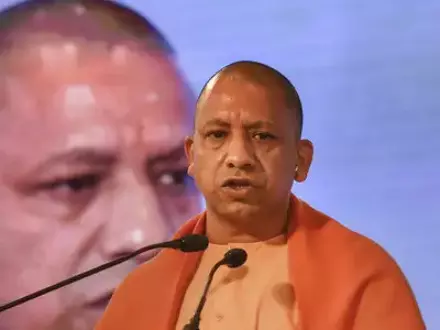


Lucknow: As 2025 draws to a close, it leaves behind memories. While time moves steadily forward, the year holds special significance for the people of the state in terms of strengthening the healthcare system. Under the visionary leadership of Chief Minister Yogi Adityanath, 2025 emerged as a landmark year for public health.
The Department of Medical Health and Family Welfare achieved major milestones, including the expansion of core infrastructure and the introduction of advanced medical facilities. These sustained efforts directly benefited millions, making healthcare more accessible, affordable, and of higher quality across the state.
Additional Chief Secretary (Health) Amit Kumar Ghosh said, “In line with the Chief Minister’s vision, healthcare services were significantly strengthened in 2025. Under the Emergency Covid Relief Package (ECRP), the state experienced a significant expansion of its medical infrastructure. During the year, 83 new health units were inaugurated, and the foundation stone of a major hospital was laid. These included 26 IPHL laboratories, 38 fifty-bed field hospitals, 13 district drug warehouses, community health centers, CCB units, and primary health centers. Additionally, the foundation stone for a 200-bed district hospital in Sitapur was laid.”
He added, “Critical care capacity was substantially enhanced with the establishment of 1,800 ICU beds in medical colleges and 1,029 ICU beds in district hospitals. To ensure uninterrupted oxygen availability, 49 LMO storage
tanks along with Medical Gas Pipeline Systems were installed, enabling timely life-saving care for critically ill patients.”
NHM Director Dr. Pinky Jowel stated that maternal and child health remained a top priority for the Yogi government. Under this focus, 42-bed pediatric care units were established in district hospitals and medical colleges, while all 23 pediatric units with 32 beds each became fully operational. In addition, 412 NBSUs were set up across the state to strengthen newborn care.
In 2024–25, outpatient services recorded a growth of over 27 percent, while inpatient services increased by more than 32 percent. There was also a significant rise in institutional deliveries, cesarean sections, major and minor surgeries, pathology tests, X-rays, and ultrasound services.
CT scan services were made available in 74 districts, and dialysis services were extended to all 75 districts of the state. Between January and November 2025, more than 9.42 lakh CT scans and over 6.50 lakh dialysis sessions were conducted.
To ensure uninterrupted access to essential medicines, the Essential Drug List was expanded, increasing medicine availability from primary health centers to district hospitals.
SACHIS CEO Archana Verma informed that 318 hospitals were empanelled under the Ayushman Bharat Pradhan Mantri Jan Arogya Yojana, including 248 hospitals providing cancer treatment. By December 2025, approximately ₹3,862 crore had been disbursed to empanelled hospitals.
To further strengthen emergency response, 2,249 new ambulances were added to the state fleet, enabling the timely transportation of millions of patients.
Uttar Pradesh also delivered an outstanding performance in the national TB eradication campaign, with testing increasing by over 100 percent. As many as 7,191 panchayats were declared TB-free, an increase of 424 percent compared to the previous year.
The state ranked second nationally in e-Sanjeevani services, handling an average of over 75,000 consultations daily. Tele-MANAS mental health services were successfully implemented, providing counseling support to millions, while telemedicine and teleradiology services continued to expand rapidly across the state.