Women’s personal choices in social media: A disproportionate public property?
Like a golden fish trapped in a glass bowl, Indian cricket icon Smriti Mandhana has become the unwilling focus of a national obsession
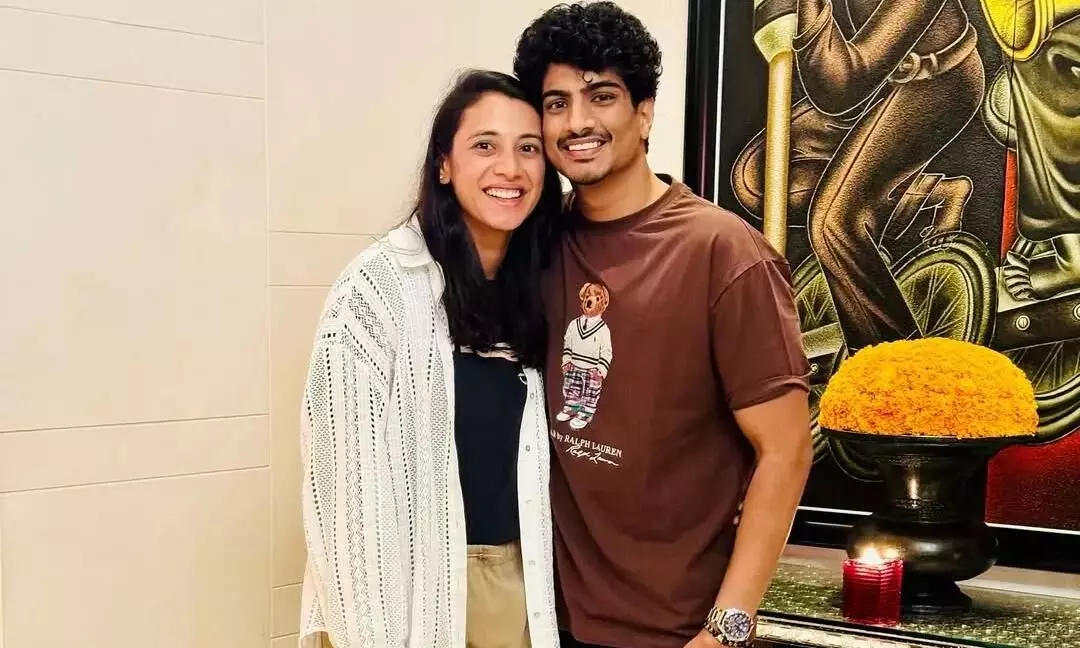


Like a golden fish trapped in a glass bowl, Indian cricket icon Smriti Mandhana has become the unwilling focus of a national obsession. Her recent ‘Instagram’ post - a calm but firm announcement that her marriage had been called off - was meant to end the frenzy. She urged people to respect the privacy of both families, yet the plea barely travelled a few minutes before dissolving in the noise. Now, with her ‘sangeet’ video ricocheting across every corner of social media, we are reminded once again of how effortlessly private moments are hauled into the digital marketplace. In a culture that thrives on voyeurism dressed up as concern, there is hardly any space left for dignity, discretion or even the basic human right to process life’s setbacks without an audience.
Earlier, her ex-fiancé, Palash Muchhal, was chased by paparazzi with the zeal usually reserved for movie stars. Even his visit to a temple in Vrindavan became front-page fodder. On ‘YouTube’, creators jostled to outdo one another, promising ‘exclusive’ scoops or insider confessions - a competitive spectacle masquerading as journalism.
This is not India’s first celebrity-sport romance to be swallowed whole by the mediascape. More than a decade ago, Sania Mirza’s marriage to Pakistani cricketer Shoaib Malik produced its own tabloid storm. That saga came with dramatic arcs that practically wrote themselves: cross-border tensions, contradictory versions of events and the sudden appearance of an alleged ‘other woman’. Curiously, a similar narrative trope has re-emerged around Smriti’s decision, even though the circumstances couldn’t be more different.
One unmistakable parallel is the invocation of the other woman - a classic Bollywood device that plays on jealousy, emotion and suspense. In Sania’s case, a woman claiming to be Shoaib Malik’s earlier spouse triggered a legal and media confrontation. Her Hyderabad connection added a geographical coincidence that news outlets milked for sensational effect. Even Shobhaa De expressed disbelief at the lurid details being aired, like the woman claiming to be in possession of a ‘semen-stained bridal dress’. A veteran observer of film industry gossip culture, she remarked that she had believed such sordid embellishments were the exclusive domain of Bollywood melodramas.
In both cases, Shoaib and Muchhal faced accusations of infidelity. Yet Smriti’s situation follows a different trajectory. Here, the ‘other person’ surfaced through alleged ‘WhatsApp’ screenshots circulating online - a digital-age twist that ensures rumours spread faster than facts can catch up.
Why does this trope keep returning? Psychologists point out that the idea of a ‘third angle’ taps into emotional arousal, cultural conditioning and the fundamentally human attraction to narrative drama. When information is incomplete, audiences instinctively reach for familiar story templates and Indian popular culture has long trained us to expect triangles, conflicts and sudden reversals in any tale involving love.
The public’s fascination with Smriti’s personal life reveals more about us than about her. Fans form intense parasocial bonds with sports stars, so when a major life event unfolds - even one firmly rooted in the private sphere - it evokes feelings and reactions akin to those reserved for friends. The absence of verified information only heightens the craving for updates: uncertainty fuels a dopamine loop where every rumour, reel or speculative post offers a fleeting reward. Psychologists have long noted how women’s personal choices become disproportionately public property: dissected, scrutinised and judged.
Sania’s cross-border marriage didn’t ultimately endure, but both parties were acutely aware of the storm that any public altercation would unleash at the end of their relationship without a public mud-slinging match. The concern now is the psychological toll such scrutiny can exact. By the time Sania married, her tennis career was nearing its twilight.
Smriti, in contrast, stands at the zenith of hers. Her contribution was pivotal to India’s triumph in the 2025 Women’s ODI World Cup. The stakes are profoundly higher in her case: the relentless media surveillance and emotional turmoil could undoubtedly affect her focus, her performance and the mental fortitude required to compete at the world level. One hopes that the press and social media ecosystem will recognise what is at stake and allow her the privacy she has repeatedly asked for. Relentless scrutiny may not just bruise her spirit - it could shadow her performance on the field.