Diving Deep into Imagination: A Young Author’s Sci-Fi in ‘Project T-16’
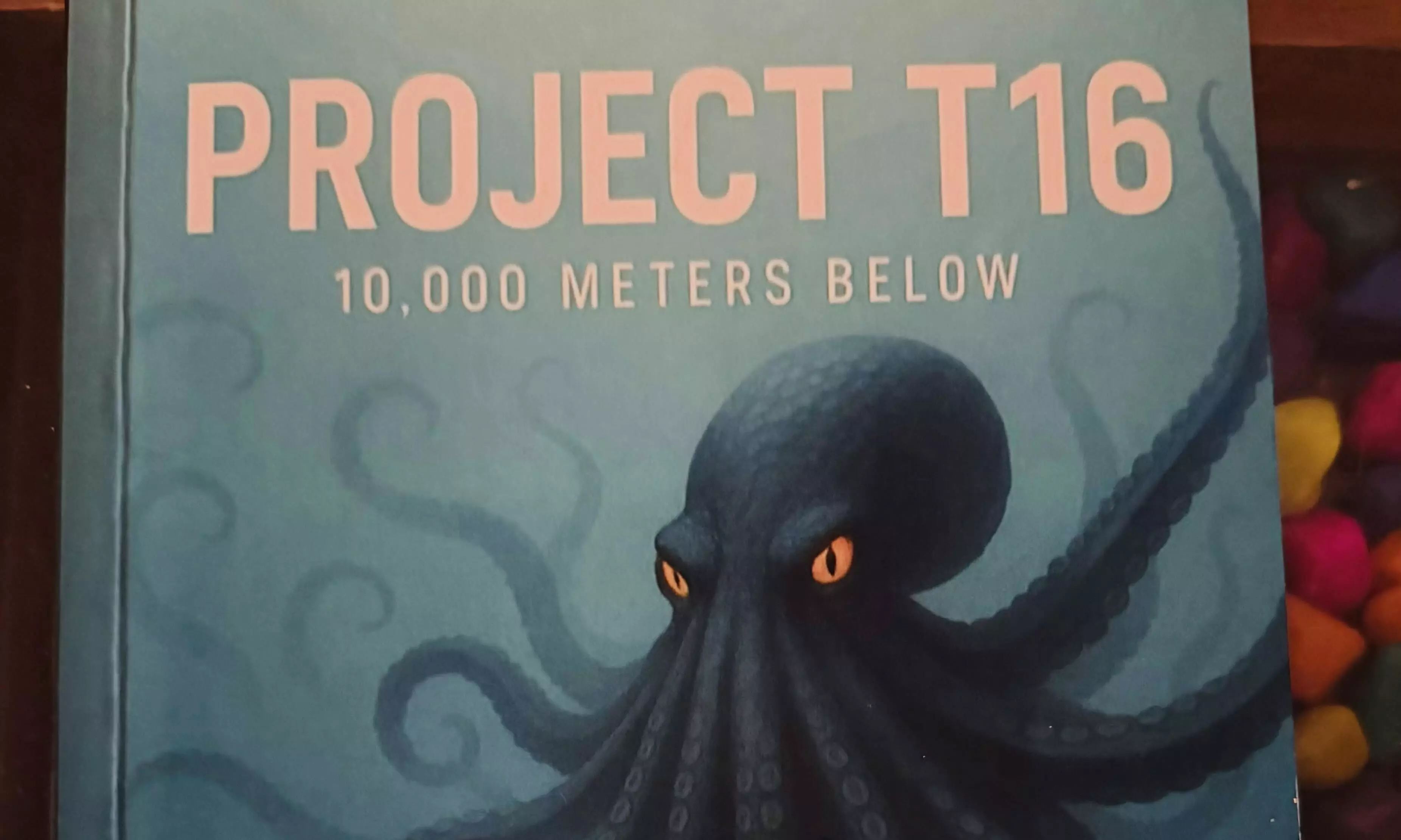


In an era where young voices are increasingly shaping narratives, Miraya Bharat’s debut book ‘Project T-16: 10,000 Meters Below’ stands out as a captivating blend of science fiction, adventure and environmental intrigue. Published by ‘BriBooks’, an AI-powered platform empowering young writers, this slim volume - clocking in at around 30 pages - packs a punch far exceeding its size.
Miraya, an 8th-grade student, is the daughter of senior bureaucrat Bharat Yadav and Dr Priyanka Yadav. The author brings a fresh perspective to ocean exploration, drawing readers into a world where the abyss whispers secrets that could redefine humanity’s understanding of the deep blue.
The story unfolds through the eyes of Dr Sera, a seasoned ocean biologist, who receives an urgent wake-up call from her colleague, Dr Julian Strathmore. A mysterious signal emanates from a long-silent deep-sea station, 10,000 meters below the surface, a depth where no life was thought to thrive. Assembling a team including the brilliant Dr Elena Kael and the steadfast Captain Jonas Thorne, they embark on a perilous journey aboard the Erebus. What begins as a routine scientific mission spirals into a thrilling odyssey fraught with cyclones, submarine descents, and encounters with otherworldly creatures. Miraya masterfully escalates the tension, from the calm anticipation of boarding the ship to the heart-pounding drag into the deep, where bioluminescent horrors like the titular Caelipus Magnus - a colossal, tentacled behemoth - lurk.
At its core, ‘Project T-16’ is a tribute to curiosity and resilience. Miraya weaves in real scientific concepts, such as hydrothermal vents, bioluminescence and the pressures of the abyssal zone, making it an educational gem for young readers. The narrative highlights the ocean’s untapped mysteries, echoing real-world explorations like those of the Mariana Trench. Yet it’s not just facts; the book delves into themes of human hubris, environmental stewardship and the ethical dilemmas of discovery. Dr Sera’s introspection, questioning whether some secrets should remain hidden, adds depth, prompting readers to ponder the balance between progress and preservation. The prose, while simple and accessible, shines in vivid descriptions: “The ocean’s depths have always whispered secrets, but Caelipus Magnus was a scream!” This poetic flair elevates the story, blending suspense with a sense of wonder.
Miraya’s youth infuses the book with unbridled imagination. Characters like the resourceful Riya, a young team member, serve as relatable entry points for preteens, fostering empathy and inspiration. The pacing is brisk, with short chapters propelling the plot forward, ideal for reluctant readers. Illustrations, including the striking cover of a submarine dwarfed by a menacing octopus, enhance the visual appeal, though one wishes for more internal artwork to match the descriptive intensity. Nonetheless, these are minor quibbles in a debut that brims with potential.
‘Project T-16’ is a must-read for aspiring scientists and adventure enthusiasts aged 12 and up. It reminds us that the greatest frontiers lie not in space, but in our own oceans - vast, vital, and vulnerable. Miraya has surfaced as a promising talent; here’s hoping her next dive goes even deeper. In a world grappling with climate change, this book is a timely call to action.