MCD activates 190+ Arogya Mandirs
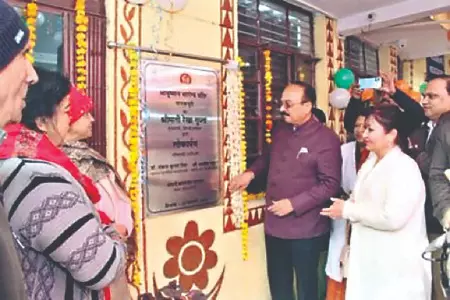


New Delhi: Strengthening doorstep healthcare delivery, the Municipal Corporation of Delhi (MCD) has operationalised more than 190 Ayushman Arogya Mandir (AAM) centres across the Capital, with additional facilities in the pipeline. The expanding network is aimed at reinforcing primary healthcare services, with a strong emphasis on early diagnosis, preventive screening and accessible treatment within neighbourhoods.
The Ayushman Arogya Mandirs have been developed by upgrading existing dispensaries, maternity homes and primary health units into comprehensive health centres. These facilities provide free consultations, essential medicines, diagnostic services and routine laboratory tests. Screenings for non-communicable diseases such as diabetes and hypertension, along with maternal and child healthcare services and immunisation programmes, form a key component of the initiative.
Officials state that the model prioritises preventive healthcare rather than reactive treatment. By identifying illnesses at an early stage, the centres are expected to reduce the burden on major hospitals and ensure timely medical intervention. Enhanced diagnostic infrastructure at the primary level is also intended to minimise unnecessary referrals and make healthcare more efficient and affordable for residents.
The initiative aligns with the broader vision of the Union government’s Ayushman Bharat programme, which seeks to strengthen comprehensive primary healthcare nationwide through Ayushman Arogya Mandirs. In Delhi, the civic body has taken a lead role in implementing and expanding the model at the grassroots level.
Mayor Raja Iqbal Singh underlined the civic body’s commitment to inclusive healthcare delivery. “Our priority is to ensure that quality healthcare services are available within walking distance of every citizen. Early detection and preventive care are central to building a healthier Delhi,” he said.
With the number of centres steadily increasing, the MCD’s initiative marks a significant shift towards decentralised, community-based healthcare, aiming to make essential
medical services both accessible and equitable for residents across the city.