From online pledge to political signal: The rise of #NoDogsNoVote
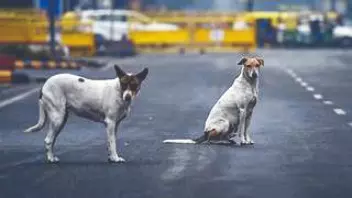


New Delhi: What began as a quiet online pledge has grown into a nationwide civic campaign, with #NoDogsNoVote emerging as a striking example of how digital mobilisation is reshaping public discourse on animal welfare and urban governance. Framed as a protest against policies perceived as hostile to community animals, the movement seeks to translate moral concern into electoral consequence.
At its core, #NoDogsNoVote challenges recent legal and administrative actions related to stray dogs, which campaigners argue prioritise removal and relocation over humane, evidence-based solutions. Supporters allege that such measures have led to vigilantism, instances of poisoning and an atmosphere of fear among caregivers. More than 16,000 people had signed an online petition backing the campaign, signalling a growing unease with how cities are addressing coexistence with animals.
Distinctively, the movement has chosen anonymity and decentralisation as its organising principle. There are no named founders or leaders. Instead, it positions itself as a collective of long-time animal rights and environmental advocates, arguing that facelessness prevents co-option, personal attacks and political fragmentation. The emphasis, campaigners say, is not on personalities but on voters. The campaign also widens the lens beyond animal welfare. Its literature links the treatment of community dogs to a broader critique of urban development that views nature as expendable. In this framing, stray
dogs are not isolated nuisances but the most visible casualties of a governance model that privileges rapid “clean-up” solutions over ecological balance and scientific planning.
Strategically, #NoDogsNoVote moves beyond petitions. It calls for a vote bank of citizens who pledge to withhold support from parties endorsing mass displacement of animals, alongside consumer boycotts targeting corporations linked to environmentally damaging projects. Education and information dissemination form the third pillar of the movement.
As the matter heads for judicial scrutiny, with hearings scheduled in the Supreme Court, the campaign underscores a larger question confronting Indian cities: can public safety, compassion and law coexist? In insisting that they must, #NoDogsNoVote has turned a local animal rights issue into a broader conversation about accountability in a democracy.