
Delhi’s tough new pollution playbook
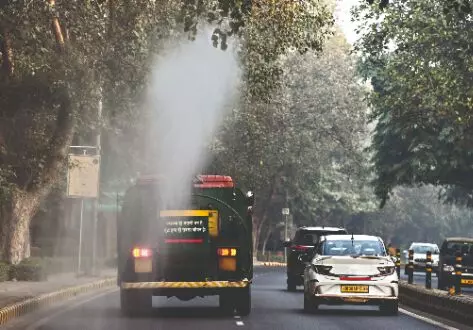


New Delhi: In a decisive push to combat rising pollution levels, the Delhi government has swung into “action mode,” rolling out a series of stringent measures aimed at cutting emissions and controlling dust across the Capital. With three new orders issued by the Delhi Pollution Control Committee (DPCC), enforcement is set to intensify on the ground, targeting tandoors, construction materials, and open burning.
Chief Minister Rekha Gupta underscored the urgency of the initiative, asserting, “The Delhi government is fully committed to providing citizens with a clean and safe environment… this is not a crisis, but a challenge, and therefore, decisive, concrete, and time-bound measures are being taken.” She emphasised that the orders have come into immediate effect.
The first directive enforces a strict ban on coal and wood in tandoors at all hotels, restaurants and eateries. Only electricity-based, gas-based or clean-fuel appliances may now be used. Responsibility for enforcing this ban has been placed on the Municipal Commissioner, Engineers-in-Chief and all Chief Engineers of the MCD.
The second order targets one of Delhi’s most persistent issues, dust pollution. The DPCC has prohibited roadside storage, sale and transportation of construction materials including sand, gravel, bricks, cement, tiles and stone. Calling these activities “major sources of dust,” the order notes that both the Supreme Court and the National Green Tribunal have already directed action against such practices. Unauthorised vendors must be removed, and materials stored on public land will be seized, with penalties applied under municipal laws.
The third directive mandates immediate fines of Rs 5,000 for any instance of open burning, including waste, leaves, plastic and rubber. As the DPCC highlighted, the NGT has already imposed a complete ban on such burning. Sanitary Inspectors and senior officials are now authorised to levy fines on the spot, with monthly compliance reports required.
Reiterating the need for collective responsibility, the Chief Minister appealed to citizens, saying a clean environment “is not solely the responsibility of the government but a collective duty of society.”



