AIIMS trials highlight transformative power of yoga to fight dementia
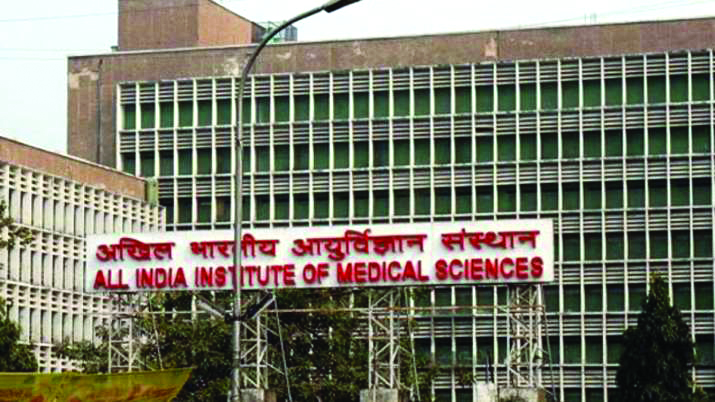


New Delhi: The All India Institute of Medical Sciences (AIIMS), New Delhi, is leading the charge against dementia through innovative clinical trials focusing on the transformative power of yoga.
Mild cognitive impairment (MCI), an intermediate stage between normal age-related cognitive decline and dementia, frequently goes unnoticed.
Dr (Prof) Rima Dada, in an interview with Millennium Post, shed light on the often unnoticed early symptoms of dementia in young adults. She spoke on the potential overlap and risk of misdiagnosis among individuals with Attention Deficit Hyperactivity Disorder (ADHD), who may also experience issues like time blindness and forgetfulness, as she highlighted the critical importance of improved parent-child communication and the destigmatisation of mental health discussions.
Furthermore, Dr Dada underscored the gravity of the situation, given the alarming suicide rates in India. She pointed out that early experiences of sexual and physical trauma can significantly impact children’s brain development. “Adverse childhood events leave a profound mark on the epigenome, altering the expression patterns of genes and influencing how early-life events manifest in late life through epigenetics,” she said.
MCI can increase the risk of developing Alzheimer’s disease or other brain disorders, although some individuals with MCI remain stable or even improve over time. While it cannot be prevented outright, certain lifestyle choices, such as moderating alcohol consumption, minimising exposure to air pollution, managing
health conditions, ensuring good sleep hygiene, and maintaining a healthy diet can lower the risk.
Regarding HIV-related dementia and neurocognitive decline, Dr Prof Manjari Tripathi stressed that prevention is indeed possible. She emphasised the crucial importance of contraception and raising awareness about it.
Dr Tripathi highlighted that early intervention with medication can significantly mitigate the adverse effects. Furthermore, she underscored the study’s focus on demonstrating the pivotal role of yoga in improving this situation as well.
AIIMS’s 60-minute yoga protocol for Alzheimer’s patients aims to improve memory, enhance brain circulation, activate cognitive functions, and reduce distress.
The protocol includes practices such as loosening exercises (Sukshma Vyayama), deep breathing, Nadi Shodhan Pranayama, Bhramari Pranayama, asanas, and meditation. Previous studies show that yoga reduces inflammation, oxidative stress, promotes neuroplasticity, and contributes to overall well-being.