
AIIMS strengthens training in movement disorder care
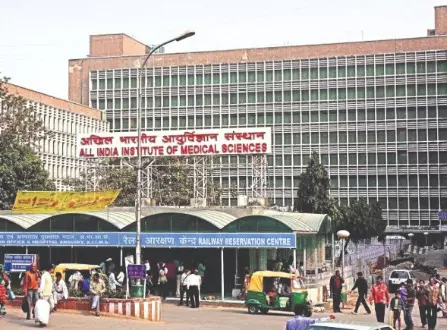


New Delhi: The All India Institute of Medical Sciences (AIIMS), New Delhi, has taken a significant step towards strengthening specialised neurological care by organising advanced training workshops on Deep Brain Stimulation (DBS) and botulinum toxin therapy. Held on December 20, 2025 the programmes brought together neurologists from across the country for focused, hands-on learning aimed at improving the management of movement disorders.
The workshops were led by movement disorder specialists Dr. Elavarasi A. and Dr. Animesh Das, in collaboration with the AIIMS DBS team. Around 15 faculty members shared their clinical experience with more than 100 delegates, offering a blend of lectures, case discussions and practical demonstrations. The initiative was designed to equip clinicians with technical expertise that remains limited to a few tertiary centres in India.
Deep Brain Stimulation, a neurosurgical procedure involving targeted electrical stimulation of specific brain regions, has emerged as a vital treatment option for conditions such as Parkinson’s disease. However, its complexity and the need for multidisciplinary coordination have restricted its wider adoption. The AIIMS workshop addressed these challenges by providing structured training in patient selection, surgical planning, device programming and post-procedure care.
Alongside DBS, a parallel workshop on botulinum toxin injections focused on their use in treating dystonia, spasticity and other neurological conditions. Participants received hands-on exposure to injection techniques and dosage planning, enabling them to incorporate these therapies more effectively into clinical practice.
According to AIIMS, both workshops were primarily aimed at capacity building, with an emphasis on decentralising specialised neurological care. By training more neurologists in advanced procedures, the institute hopes to reduce the burden on metropolitan hospitals and ensure that patients need not travel long distances for treatment.
Participants praised the workshops for their scientific depth and hands-on interaction with faculty, noting their importance in bridging gaps between emerging therapies and routine practice. The sessions reaffirm AIIMS’s leadership in medical education.



