ONGC seeks partners to cut gas flaring, zero methane emission by 2030
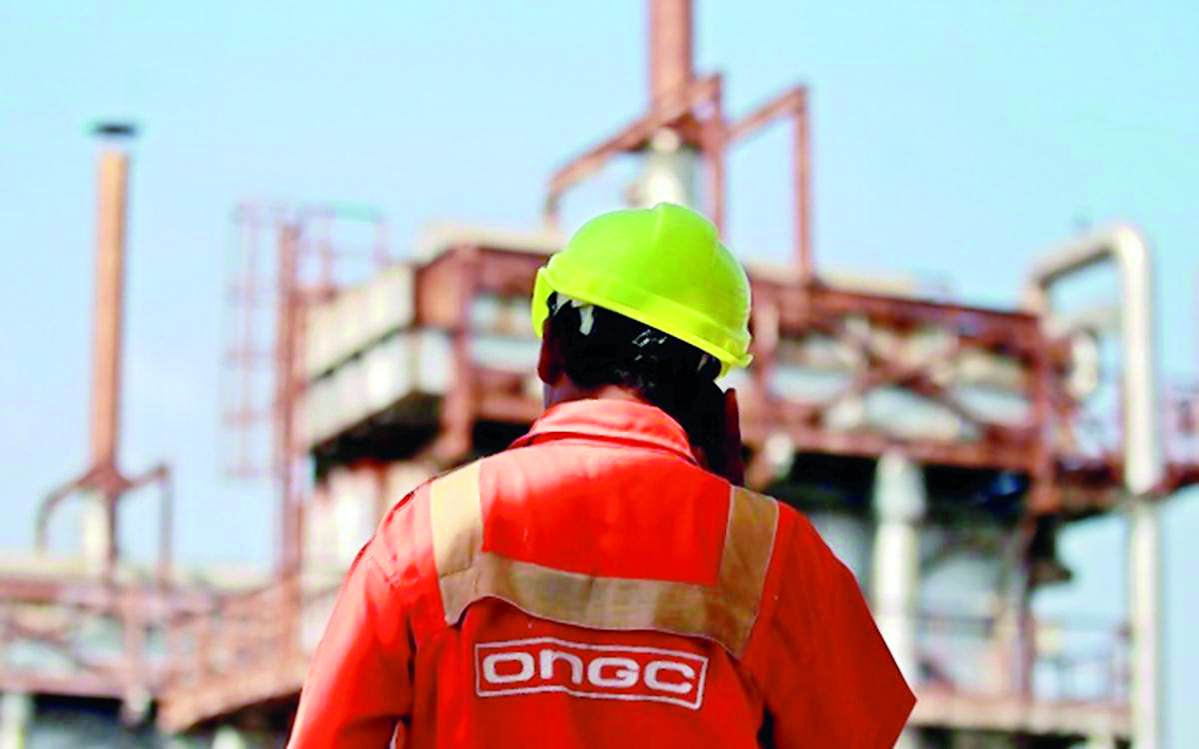


New Delhi: India’s top oil and gas producer ONGC is seeking global technology partners to cut gas flaring and achieve zero methane emission by 2030 as part of its ambitious decarbonisation plan, its chairman Arun Kumar Singh said on Monday.
Oil and Natural Gas Corporation (ONGC) has substantially cut gas flaring — burning of methane gas that is produced when oil is extracted from below surface — and would look to bring it down to nil as part of its environmental commitments.
In a post on LinkedIn, Singh said India’s role in the global energy landscape is progressively becoming pivotal, and is likely to account for 25 per cent of global energy demand growth over the next two decades.
According to the International Energy Agency, India’s share in global primary energy consumption is expected to rise to 9.8 per cent by 2050.
“India’s share in cumulative global green-house-gas (GHG) emissions has been only 4 per cent, and current emission is 7 per cent, despite its population share of 16-17 per cent,” he said. “As a responsible corporate citizen of the world, we are fully aware of our obligation towards the mother planet, which is shared by developing and developed world alike. Accordingly, our nation is chasing a paradigm shift in energy consumption, with a focus on cleaner, greener, and sustainable alternatives.”
With increasing energy demand, the commitment to decarbonisation is stronger than ever.
“ONGC has made significant contributions in reducing gas flaring in our exploration and production (E&P) operations, aligning with our environmental commitments; we have consistently worked to bring it lower and lower, and we aim to bring avoidable flaring down to zero by 2030.
“Similarly, substantive reduction has been achieved in the area of methane emission, and we aim to bring it down to zero level by 2030,” he said.
Singh said ONGC uses a lot of gas to generate electricity as well as meet compression and other process needs of an oil and gas field. By 2028, this gas is intended to be replaced with green power wheeled to installations as far as 160 km from the west coast. The gas thus freed will be sold to industries like fertiliser and power plants.
“We envisage to wheel green electricity to our Mumbai Offshore fields on the Arabian Sea, replacing natural gas, currently being used to drive power devices at process platforms,” he said.
Companies around the globe have pledged to slash down methane emissions by 30 per cent from 2020 levels by 2030. Methane, which is a more potent greenhouse gas than carbon dioxide, tends to leak into the atmosphere.
This is sometimes deliberate when companies flare the gas that comes alongside crude oil, due to lack of consumption markets. It also can leak undetected from drill sites, gas pipelines and other oil and gas equipment.
Controlling methane, which has been rising in atmospheric concentration for decades, is seen as one of the easiest and cheapest ways to make an immediate impact on global greenhouse gas emissions.
“Collaboration and innovation are the key here. Realising this need, we extend an invitation to all the innovators offering superior technology and are ahead on the learning curve relating to this goal of nil methane emission and zero avoidable flaring,” he said.
He went on to ask technology innovators to write to ONGC on possible solutions to the flaring and methane emission problem. Flaring, which used to be done in the past because of lack of customers for gas, has been reduced by almost 80 per cent, he said.