
Oil Ministry drives clean energy, infra and security push in 2025
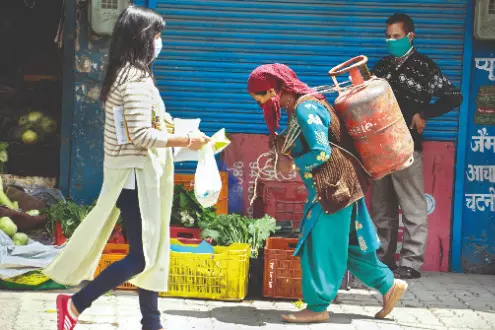


New Delhi: The Ministry of Petroleum & Natural Gas pursued a broad-based strategy in 2025 to ensure affordable energy access, boost domestic production, strengthen infrastructure, promote cleaner fuels and reinforce national energy security, aligning its efforts with India’s priorities of energy access, efficiency, sustainability and security.
Universal access to clean cooking fuel remained a key focus. Under the Pradhan Mantri Ujjwala Yojana (PMUY), beneficiaries rose to about 10.35 crore as of December 1, 2025. To achieve LPG saturation, the government cleared 25 lakh additional connections for FY26 and simplified eligibility norms through a single Deprivation Declaration.
Affordability was supported by a targeted subsidy of Rs 300 per 14.2-kg LPG cylinder for up to nine refills annually for PMUY households. As a result, average per capita LPG consumption increased from about three refills in 2019-20 to 4.47 in FY25 and a pro-rated 4.85 refills in FY26, reflecting sustained adoption. Subsidy targeting improved with faster Aadhaar-based biometric authentication, covering 71 per cent of PMUY and 62 per cent of non-PMUY consumers by December 2025. A nationwide drive launched in November enabled free, mobile-based authentication.
Consumer safety also improved through over 12.12 crore free LPG safety inspections and replacement of 4.65 crore hoses at discounted rates.
Petroleum marketing infrastructure expanded significantly. More than 90,000 retail outlets now support digital payments through over 2.71 lakh POS terminals. Doorstep fuel delivery improved with over 3,200 bowsers, while nearly all outlets were equipped with toilets under Swachh Bharat norms.
Electric mobility gained momentum. Nearly 8,932 EV charging stations were installed at fuel stations under FAME-II, with oil marketing companies adding over 18,500 more. The APNA GHAR initiative progressed with over 500 truckers’ wayside amenities, enhancing road safety and rural employment.
Public sector oil marketing companies (OMCs) are developing 4,000 integrated Energy Stations between 2024-25 and 2028-29, offering conventional and alternative fuels, including biofuels, CNG, LNG and EV charging. As of November 2025, 1,064 such stations were operational.
The gas-based economy saw strong progress. Operational natural gas pipelines expanded to 25,429 km by June 2025 from 15,340 km in 2014, with another 10,459 km under construction. Completion will enable a fully connected national gas grid. To reduce regional cost disparities, about 90 per cent of pipelines are now covered under the Unified Pipeline Tariff regime.
City Gas Distribution expanded to 307 areas, with PNG household connections reaching about 1.57 crore and CNG stations exceeding 8,400 by September 2025.
Revised gas allocation guidelines improved alignment with consumption patterns and reduced price volatility. Under the SATAT initiative, over 130 compressed biogas plants were commissioned by November 2025, with mandatory blending obligations beginning in FY26.
Biofuels recorded major gains, with ethanol blending in petrol averaging 19.24 per cent in 2024-25, delivering foreign exchange savings of over Rs 1.55 lakh crore and lower emissions.
Advanced biofuels progressed under the JI-VAN scheme, while Sustainable Aviation Fuel initiatives advanced with indicative blending targets set from 2027 onwards. Upstream reforms, including the Oilfields Amendment Act, 2025, led to the award of 172 exploration blocks, attracting investments of about $4.36 billion.
Strategic petroleum reserves were strengthened, and overseas investments by public sector firms continued, supporting India’s energy security and long-term resilience. Agencies



