Ship carrying Iranian oil shifts course midway from India to China
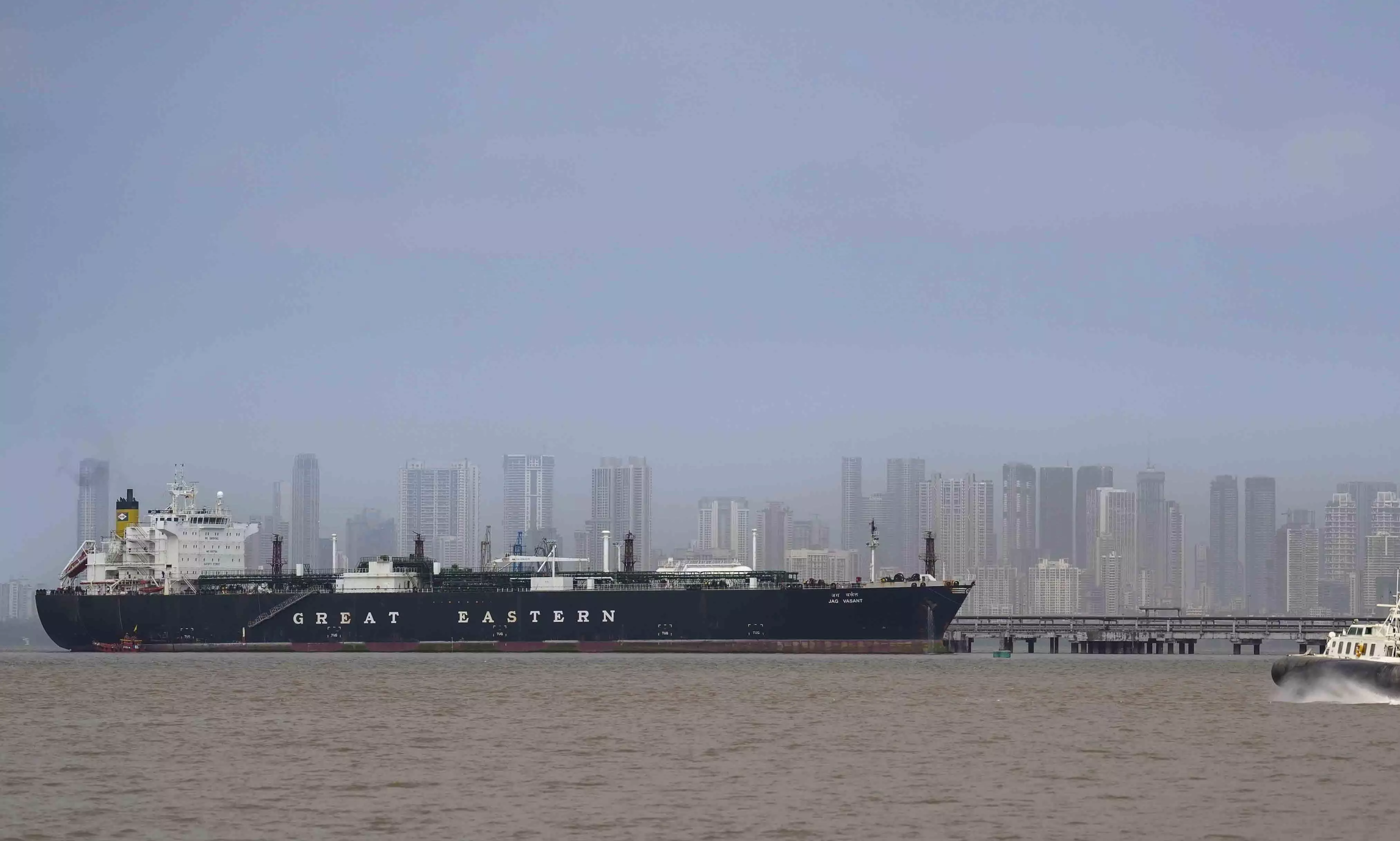


New Delhi: A tanker carrying Iranian crude that had briefly raised the prospect of India resuming purchases after a gap of nearly seven years has altered course mid-journey and is now headed towards China, according to shipping data and market analysts.
The Aframax vessel Ping Shun, built in 2002 and placed under US sanctions in 2025, had earlier indicated Vadinar in Gujarat as its destination. Data from ship-tracking firm Kpler now shows the tanker signalling Dongying in China instead. The change comes just days before its previously estimated arrival date of April 4.
Market participants caution that destinations transmitted via a ship’s Automatic Identification System are not always final and can shift during transit. Still, the move has drawn attention, given the timing and the potential implications for India’s oil sourcing strategy.
“An Iranian crude vessel ‘Ping Shun’ that had been en route to Vadinar, India, over the past three days has dropped India as its declared destination near arrival and is now signalling China,” said Sumit Ritolia, Lead Research Analyst for Refining and Modelling at Kpler.
The cargo on board, estimated at around 600,000 barrels, was loaded from Iran’s Kharg Island around March 4. Had it reached India, it would have marked the first Iranian crude shipment to the country since imports halted in May 2019 following tighter US sanctions.
Ritolia linked the diversion to evolving payment conditions. He said sellers appear to be moving away from earlier credit arrangements of 30 to 60 days toward upfront or near-term settlement, making transactions more complex. The identities of the buyer and seller involved in the cargo remain unclear.
Vadinar houses a 20 million tonnes per year refinery operated by Nayara Energy, which is backed by Russian oil major Rosneft. The facility has historically processed Iranian grades such as Iran Light and Iran Heavy, which are considered well suited to Indian refineries.
India had once been a significant importer of Iranian crude. In 2018, purchases averaged about 518,000 barrels per day, accounting for roughly 11.5 per cent of the country’s total imports. Volumes declined to about 268,000 barrels per day between January and May 2019 under temporary US waivers before falling to zero after those waivers expired.
A recent 30-day US waiver allowing limited transactions involving Iranian oil stored at sea had reopened a narrow window for potential deals. That window is set to close on April 19. Analysts estimate that about 95 million barrels of Iranian crude are currently held on vessels, with roughly 51 million barrels potentially suitable for Indian refiners, while the rest is more aligned with demand in China and Southeast Asia.
Despite the waiver, payment mechanisms remain a major obstacle. Iran is largely excluded from the SWIFT global banking network, complicating international transactions. Earlier arrangements involving euro payments routed through a Turkish intermediary are no longer available.
Ritolia noted that such mid-voyage destination changes are not unusual for Iranian shipments but reflect growing sensitivity to financial arrangements and counterparty risks. “If the payment issues are resolved, the cargo could still make its way to an Indian refinery,” he said, adding that commercial terms are playing an increasingly decisive role alongside logistics in determining trade flows.
India’s oil ministry has maintained that any decision on resuming Iranian imports will depend on techno-commercial considerations.