Shah withdraws three Bills on criminal laws; introduces redrafted legislations
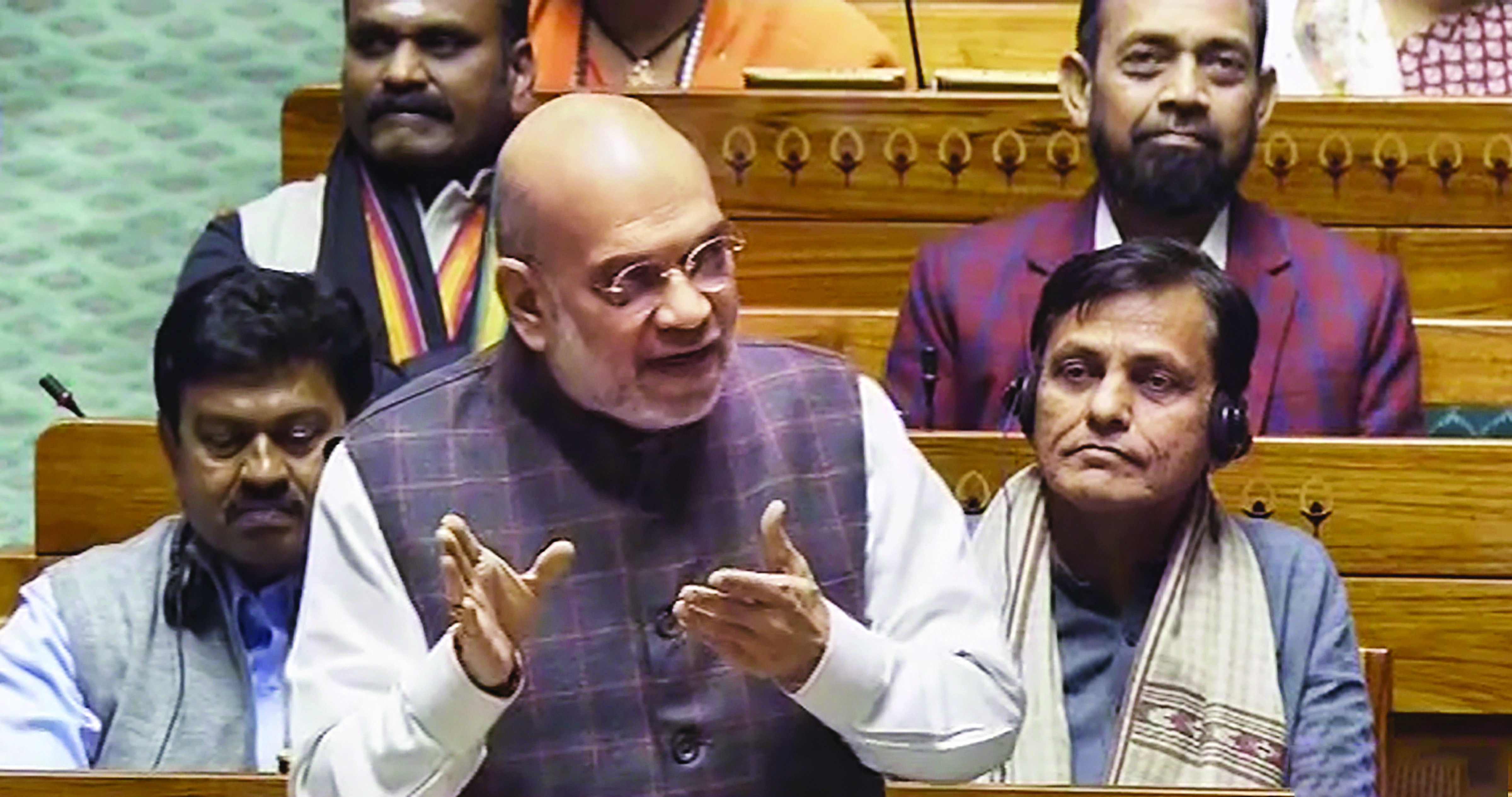


New Delhi: Union Home Minister Amit Shah on Tuesday withdrew the three Bills to replace criminal laws and introduced a fresh set of draft legislations incorporating various recommendations made by a parliamentary panel in Lok Sabha.
The Bharatiya Nyaya Sanhita Bill was introduced first in the Lok Sabha on August 11 along with Bharatiya Nagarik Suraksha Sanhita and the Bharatiya Sakshya Adhiniyam Bills. The three Bills seek to replace the Indian Penal Code, 1860, the Code of Criminal Procedure Act, 1898, and the Indian Evidence Act, 1872, respectively. Shah, in three identical signed statements submitted to Parliament, said the decision to withdraw the three Bills and introduce them afresh was taken after the Parliamentary Committee on Home Affairs made recommendations suggesting changes in the three Bills following a series of discussions with domain experts and various stakeholders.
So instead of bringing several official amendments to incorporate recommendations, the government decided to bring fresh Bills incorporating changes, said Shah. The discussion on the Bills will take place on Thursday and voting will take place on Friday, Shah told Opposition members who demanded sufficient time to study the three Bills.
In reply, Shah said he introduced the Bills on Tuesday so that the members could get 48 hours to study the draft laws.
He said mainly five sections have been tweaked and most of the changes relate to grammar and language.
Shah also rejected suggestions of referring the three measures to a joint committee, saying the standing committee has made several recommendations.
A total of 12 hours have been allocated for discussing the three Bills, Speaker Om Birla said.
In the Bharatiya Nyaya (second) Sanhita Bill, the definition of terrorism now includes the word “economic security”, among other changes.
“Whoever does any act with the intent to threaten or likely to threaten the unity, integrity, sovereignty, security, or economic security of India or with the intent to strike terror or likely to strike terror in the people or any section of the people in India or in any foreign country...,” it says.
The Bill has brought changes in Section 73, making it punishable to publish the proceedings of a court which may reveal the identity of victims of rape or that of similar offences without the court’s permission.
Section 73 now states, “Whoever prints or publishes any matter in relation to any proceeding before a court with respect to an offence referred to in Section 72 without the previous permission of such court shall be punished with imprisonment of either description for a term which may extend to two years and shall also be liable to fine.”
The printing or publication of the judgment of any High Court or the Supreme Court does not amount to an offence within the meaning of this section, it explains.
This Bill was referred to the department-related Parliamentary Standing Committee on Home Affairs on August 18 for consideration.
Shah said the committee held several rounds of discussions with the officials of the Ministry of Home Affairs, Ministry of Law and Justice, domain experts and various stakeholders and submitted its reports along with its recommendations on November 10.
“Based on the recommendations of the committee, amendments are proposed in the Bharatiya Nyaya Sanhita Bill, 2023. It is proposed to introduce a new Bill in place of the Bharatiya Nyaya Sanhita Bill, 2023,” he conveyed to the Parliament.
Two similar statements for withdrawal were also made regarding the Bharatiya Nagarik Suraksha Sanhita and the Bharatiya Sakshya Adhiniyam.
Soon after the Bills were introduced in Lok Sabha on August 11, Shah urged the Chair to send the Bills to the standing committee for a threadbare discussion.
Subsequently, Rajya Sabha Chairman Jagdeep Dhankhar referred the three proposed laws to the committee, which comes under the Rajya Sabha secretariat, and asked it to submit its report within three months. with agency inputs