
SC panel urges Centre to withdraw new Transgender Amendment Bill
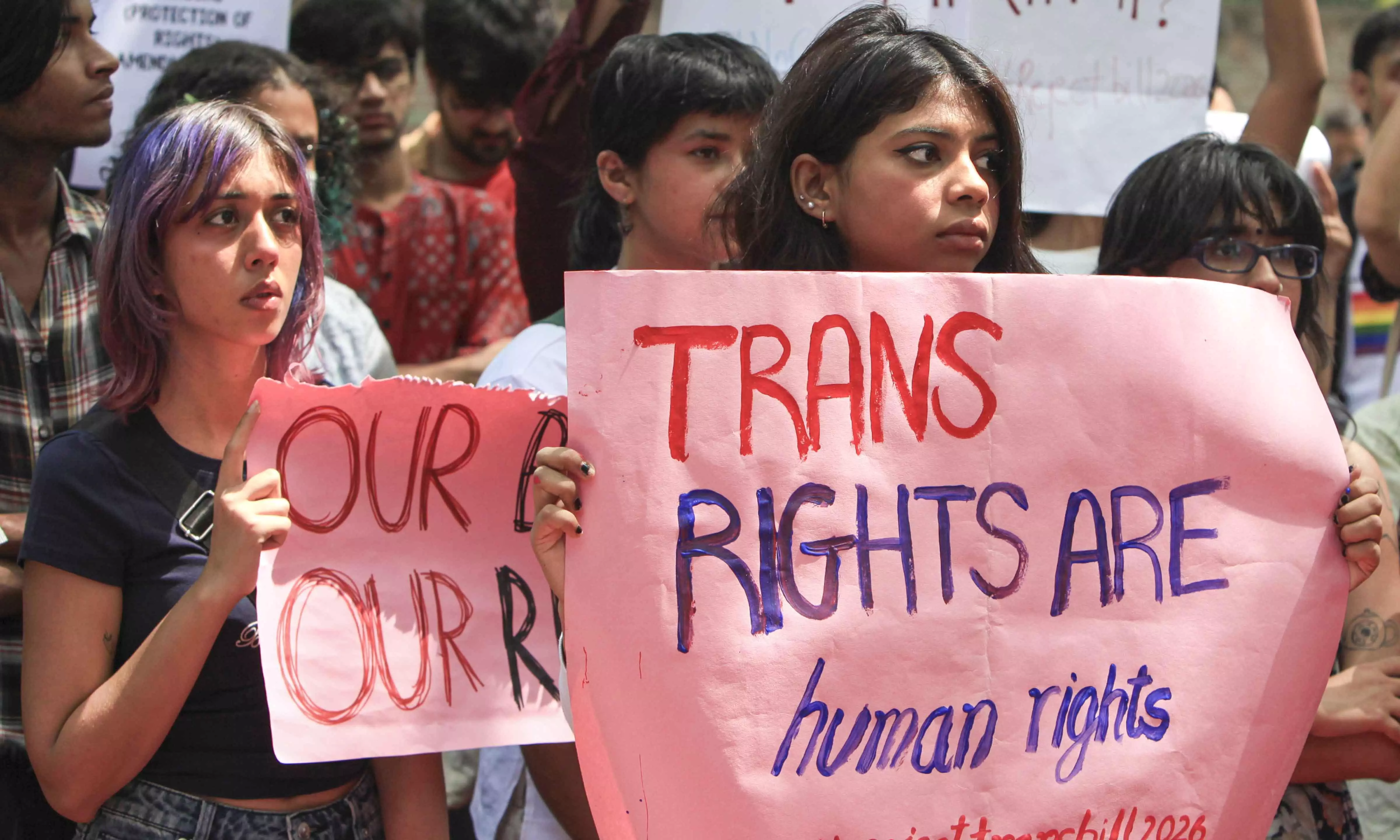


New Delhi: A committee constituted by the Supreme Court to review issues concerning transgender rights has urged the Union government to withdraw the Transgender Persons (Protection of Rights) Amendment Bill, 2026, days after it was cleared by Parliament.
According to sources, the panel, led by retired Delhi High Court judge Justice Asha Menon, has written to the Ministry of Social Justice and Empowerment outlining objections to several provisions in the amended law and seeking a reconsideration.
The committee flagged concerns over key changes introduced in the legislation, particularly those altering how transgender persons are recognised. Under the earlier framework, individuals could identify their gender based on self-declaration, without the need for medical procedures. The amendment departs from this approach by linking recognition to biological traits or medical interventions.
The panel noted that such a shift could make it difficult for individuals who identify as transgender but have not undergone surgery or do not meet prescribed biological criteria to obtain legal recognition. It warned that the absence of recognition may hinder access to identity documents and welfare benefits meant for transgender persons.
The revised definition, the committee said, appears to cover only those with specified congenital variations or individuals who have undergone surgical transition. This, it indicated, could leave out people who identify differently from their assigned gender at birth and may pursue gender-affirming care such as hormone therapy or counselling.
Privacy concerns were also raised. The amendment requires medical institutions conducting gender-affirming procedures to share details with district authorities, potentially placing sensitive personal information on official records. The introduction of a medical certification process, where district magistrates issue identity certificates based on inputs from designated medical authorities, was flagged for possible risks to confidentiality.
In addition, the panel questioned the necessity of new penal provisions, noting that several offences listed in the amendment are already addressed under existing criminal laws, even though penalties have been increased for acts such as forced identity, abduction and exploitation.
The committee observed that removing self-identification could be inconsistent with the Supreme Court’s 2014 NALSA judgment, which recognised the right to determine one’s own gender. It recommended that any changes to the 2019 law be preceded by broader consultations with transgender communities and stakeholders.
The advisory body was set up by a bench of Justices JB Pardiwala and R Mahadevan while hearing a case involving the dismissal of a transgender teacher, with a mandate to examine barriers in employment, healthcare and public services.



