
ICC shuts door on Bangladesh’s venue change demand, Scotland on standby
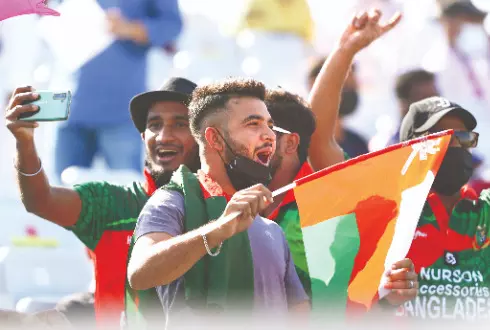


New Delhi: After all the tough posturing, Bangladesh finds themselves out in the cold. On Wednesday, the International Cricket Council (ICC) Board delivered a decisive verdict on the Bangladesh Cricket Board’s demand to shift its T20 World Cup matches out of India. In a 14–2 vote at a Board meeting held via video conference, the ICC rejected the request and cleared the tournament to proceed as scheduled, with Bangladesh’s fixtures in India intact. The ICC has given Bangladesh an additional day to confirm its participation, warning that Scotland could be brought in as a replacement if Bangladesh refuses to travel. Only Bangladesh and Pakistan backed the relocation proposal, sources said, a telling number that underlines just how little appetite there is within world cricket for last-minute pressure tactics dressed up as “concerns”.
The tournament begins in India on February 7, and Bangladesh were drawn to play their group-stage matches in Kolkata and Mumbai. The BCB had sought to move all four group-stage games to Sri Lanka, insisting the shift was necessary for security and “national pride”. The ICC, however, said multiple security assessments, including independent evaluations, found “no credible or verifiable threat” to the safety of Bangladesh players, officials or fans at any of the designated venues.
“The ICC Board noted that relocating matches under the present circumstances could jeopardise the sanctity of ICC events and undermine the organisation’s neutrality as a global governing body,” the ICC said in a statement.
Behind the official language was a simple message: scheduling cannot be rewritten because one board decides to harden its stance at the eleventh hour. The ICC said making changes so close to the event was not feasible and warned that shifting matches without a verified security risk would create an “undesirable precedent” for future global tournaments. In other words, if Bangladesh were accommodated now, every other board would line up tomorrow with its own list of conditions.
The ICC also confirmed that it had engaged the BCB through “sustained and constructive dialogue” over recent weeks. It said detailed security arrangements were shared repeatedly, including venue-specific plans and assurances of layered protection involving federal and state law enforcement agencies. But none of that moved Dhaka.
The roots of the standoff lie elsewhere. The crisis was triggered after Bangladesh pacer Mustafizur Rahman was dropped from Kolkata Knight Riders’ roster for the 2026 Indian Premier League, following BCCI instructions citing unspecified “developments all around”. From that moment, Bangladesh’s response quickly shifted from sporting disappointment to political theatre, with tough talk aimed more at domestic galleries than ICC boardrooms. The ICC, notably, expressed concern that Bangladesh continued to link World Cup participation to what it called a “single, isolated and unrelated development” involving a player’s domestic league situation, something the ICC said had no bearing on the tournament’s security framework.
Bangladesh also proposed swapping group positions with Ireland to allow them to remain in Sri Lanka for the entire group stage. That, too, went nowhere. Bangladesh are currently in Group C alongside the West Indies, Italy, England and Nepal. Group B includes co-hosts Sri Lanka, Australia, Oman and Zimbabwe. The broader context is difficult to ignore. India-Bangladesh relations have deteriorated in recent months, and the BCB’s hard line was widely viewed as being taken at the behest of its political establishment. Bangladesh government’s sports advisor Asif Nazrul went further on Tuesday, saying the national team would not travel to India “under no condition”.
Even within Bangladesh, there have been voices urging caution. Former captain Tamim Iqbal and current Test skipper Najmul Hossain Shanto have warned against a maximalist approach, with Tamim noting that decisions taken today could have repercussions 10 years down the line. But for now, the numbers from Wednesday’s vote tell the real story. Bangladesh were in no position to bargain, and world cricket made that clear. The ICC has given Bangladesh one more day to confirm participation. If they refuse to travel, Scotland are expected to replace them as per rankings. In short: Bangladesh can still come, but the tournament will not be held hostage.



