“Disturbing trend”: SC refuses plea against Himanta Sarma over ‘Miya’ remarks
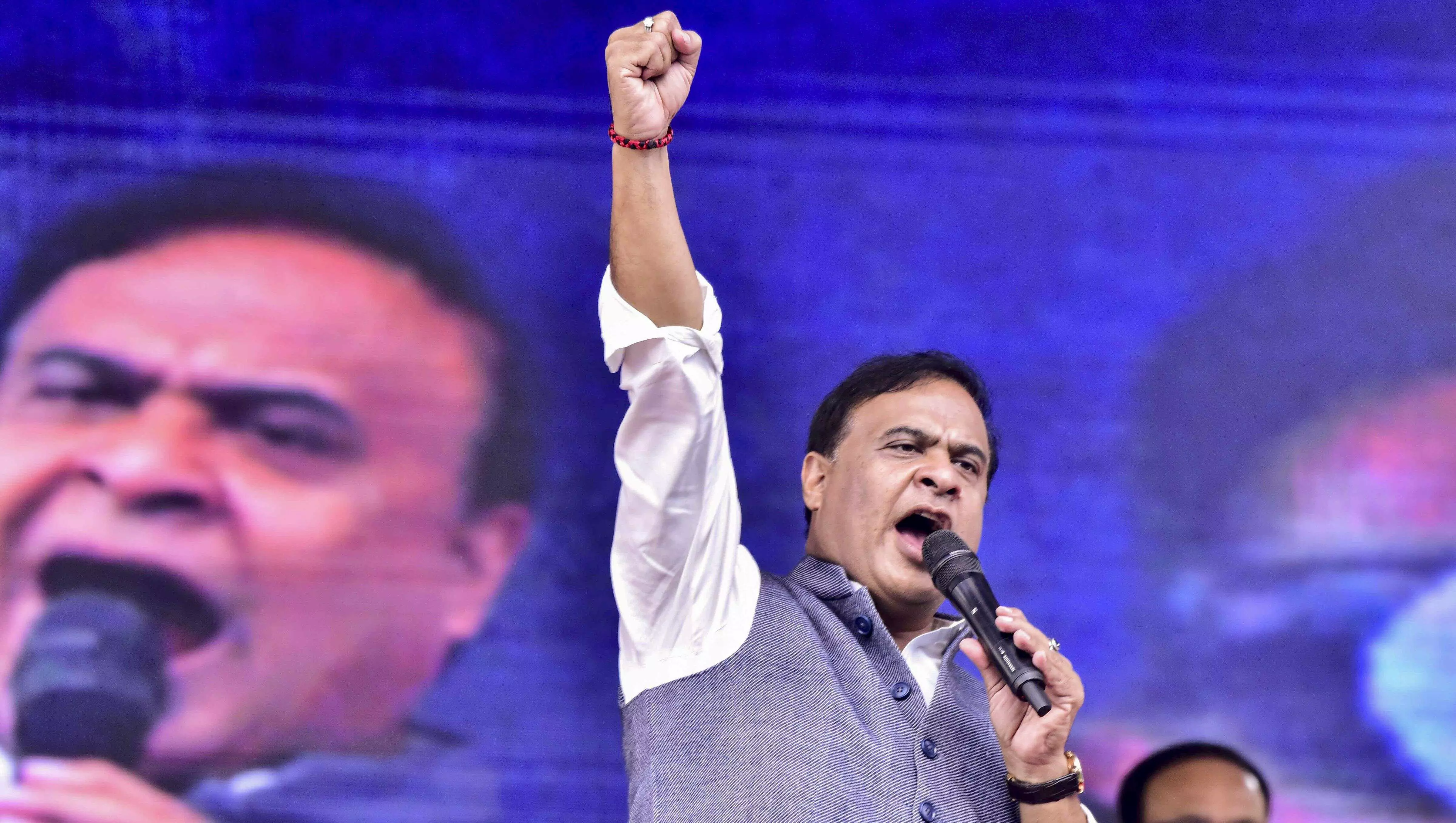


New Delhi: The Supreme Court on Monday expressed dissatisfaction while declining petitions that sought the registration of a police case and the formation of a Special Investigation Team (SIT) to probe alleged hate speech by Assam Chief Minister Himanta Biswa Sarma. A bench headed by Chief Justice Surya Kant, along with Justices Joymalya Bagchi and Vipul Pancholi, advised the petitioners to first approach the Gauhati High Court. The bench also voiced concern over what it described as a growing tendency to directly move the apex court, especially in the run-up to elections. Assam is expected to go to Assembly polls in March or April. The controversy stems from a video circulated by the Bharatiya Janata Party’s Assam unit, which purportedly shows the Chief Minister firing at a photograph depicting Muslims. It also relates to his earlier remarks about “Miyas”, a term used for Bengali-speaking Muslims, whom the BJP has often labelled as “illegal infiltrators”.
While addressing these issues, the court reminded political parties to exercise restraint and remain within the bounds of constitutional morality. At the same time, it reiterated that directly approaching the Supreme Court before elections was becoming an emerging pattern. The petitioners argued that they had written to the Chief Justice of the Gauhati High Court but no suo motu action had followed. However, the Supreme Court observed that sending a letter did not amount to formally filing a petition and again directed them to move the High Court properly. Chief Justice Surya Kant cautioned against undermining the authority of High Courts, remarking that such actions could demoralise the Gauhati High Court. Senior Advocate Abhishek Singhvi, appearing for the petitioners, countered that the Supreme Court could exercise its discretionary powers in the matter and emphasised the demand for an SIT. Responding to the Chief Justice’s remarks, Singhvi argued that it was the Chief Minister’s actions that were demoralising the Constitution and an entire community. He maintained that failure to hear the case would erode citizens’ rights and referred to concerns about land allocation and the filing of an FIR in Assam. He even suggested transferring the matter to another High Court. Singhvi contended that the case involved violations of fundamental rights under Articles 14, 15 and 21, and raised questions about the scope of Article 32, which allows individuals to directly approach the Supreme Court for enforcement of fundamental rights. He argued that an SIT within Assam would face limitations in probing the state’s highest executive authority and claimed that in other, less significant matters, the court had permitted similar relief.
The bench, however, remained firm. The Chief Justice said the Supreme Court could not become a forum of convenience merely because senior lawyers practise there and rejected any suggestion of transferring the case as casting aspersions on the Gauhati High Court. He stressed the need to preserve the institutional integrity of High Courts across the country. Earlier, Jamiat Ulama-i-Hind had also approached the Supreme Court over the Chief Minister’s “Miya” remarks. In a plea filed by its president, Maulana Mahmood Madani, the organisation argued that the term was derogatory and that statements of this nature, when made by someone holding high constitutional office, could not be dismissed as mere political speech.