Deepavali now on UNESCO Intangible Cultural Heritage list


New Delhi: Deepavali, the festival of lights celebrated by millions across the country and in many parts of the world, was on Wednesday inscribed on UNESCO’s Representative List of the Intangible Cultural Heritage of Humanity. The announcement, made during a key meeting of UNESCO’s Intergovernmental Committee for the Safeguarding of the Intangible Cultural Heritage at the Red Fort in Delhi, drew loud chants of “Jai Hind”, “Vande Mataram” and “Bharat Mata ki Jai” from the audience. Performers in traditional attire presented cultural pieces as images of Deepavali illuminated a large screen behind the main stage.
UNESCO describes intangible heritage as practices and traditions that cannot be physically touched but are vital to cultural identity. These include ideas, rituals, celebrations, stories, music, dance and craftsmanship. The organisation notes that inscription on the list signals global recognition that an element is precious and should be safeguarded for future generations. India already has 15 elements on the list, including yoga, Durga Puja of Kolkata, the Kumbh Mela, Garba of Gujarat, the tradition of Vedic chanting and Ramlila. Deepavali now becomes the sixteenth. India submitted its nomination dossier in 2023 for the 2024-25 cycle.
Prime Minister Narendra Modi welcomed the UNESCO decision in a post on X, writing that people in India and abroad were “thrilled” by the recognition and that it would further deepen the festival’s global appeal. This year’s UNESCO session, held from December 8 to 13 at the Red Fort, marks the first time India is hosting the committee meeting.
Union Culture Minister Gajendra Singh Shekhawat delivered India’s statement following the inscription. Wearing traditional headgear along with the rest of the Indian delegation, he said, “For every Indian, Deepavali is deeply emotional; it is felt, lived, absorbed across generations.” He added that the festival reflects a universal yearning for “renewal, peace and the triumph of good” and credited artisans, potters and “millions of hands” with keeping the heritage alive. The minister called the listing an honour that comes with responsibility, saying Deepavali must remain a “living heritage” and that children should understand its association with Ram Rajya or good governance. Concluding his remarks, he invoked “Tamso Maa Jyotirgamaya” and led chants of “Jai Hind, Bharat Mata ki Jai, Raja Ram Chandra Ji ki Jai”.
UNESCO, in its description of the festival, notes that Deepavali is a time for families and communities to gather, exchange gifts and sweets, share meals and celebrate through music, dance and rituals. “The practice involves people of all ages, genders and backgrounds. It is passed on informally within families and communities, with elders teaching children how to perform rituals and prepare for the celebrations through stories and hands-on participation,” the organisation says. It adds that temples, schools, cultural bodies and digital platforms all contribute to transmitting the tradition, which strengthens social bonds, promotes inclusivity and supports local economies as well as creative expression.
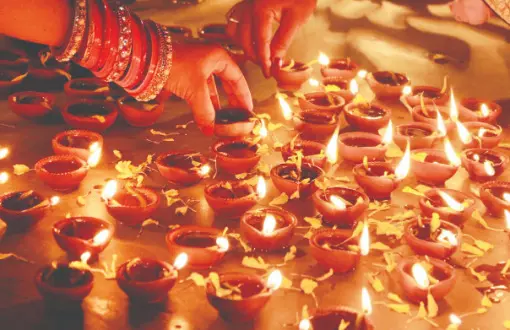
Deepavali is best known for its shimmering displays of light. Homes are decorated with diyas, buildings glow at night and rituals honour the symbolic victory of good over evil. UNESCO states that adding the festival to the list encourages communities to keep teaching its stories, songs and customs to younger generations. The inscription also provides global visibility, helping more people understand the values behind the festival rather than just its outward symbols. According to UNESCO, the recognition also boosts cultural pride among the young and encourages governments and organisations to safeguard the art forms connected to the festival, including rangoli, diya-making, traditional sweets, folk plays and temple rituals.
External Affairs Minister S Jaishankar said the inscription recognises Deepavali’s cultural, religious and spiritual significance and its ability to unite people. Union Home Minister Amit Shah called it a “proud moment for India” in a post on X, saying the listing reflects the relevance of ancient traditions in the present era. More than 67 nominations from nearly 80 countries are being reviewed at this year’s session. Earlier in the week, Bangladesh’s Tangail saree weaving tradition, Behzad’s miniature painting style of Afghanistan and the making of the ‘Bisht’ gown were added to the Representative List. Other fresh inscriptions on Wednesday included Iraq’s Al-Muhaibis social practices, Jordan’s Al-Mihrass tree traditions and Kuwait’s Diwaniya cultural gatherings.