Census 2027 will be India’s first fully digital population count
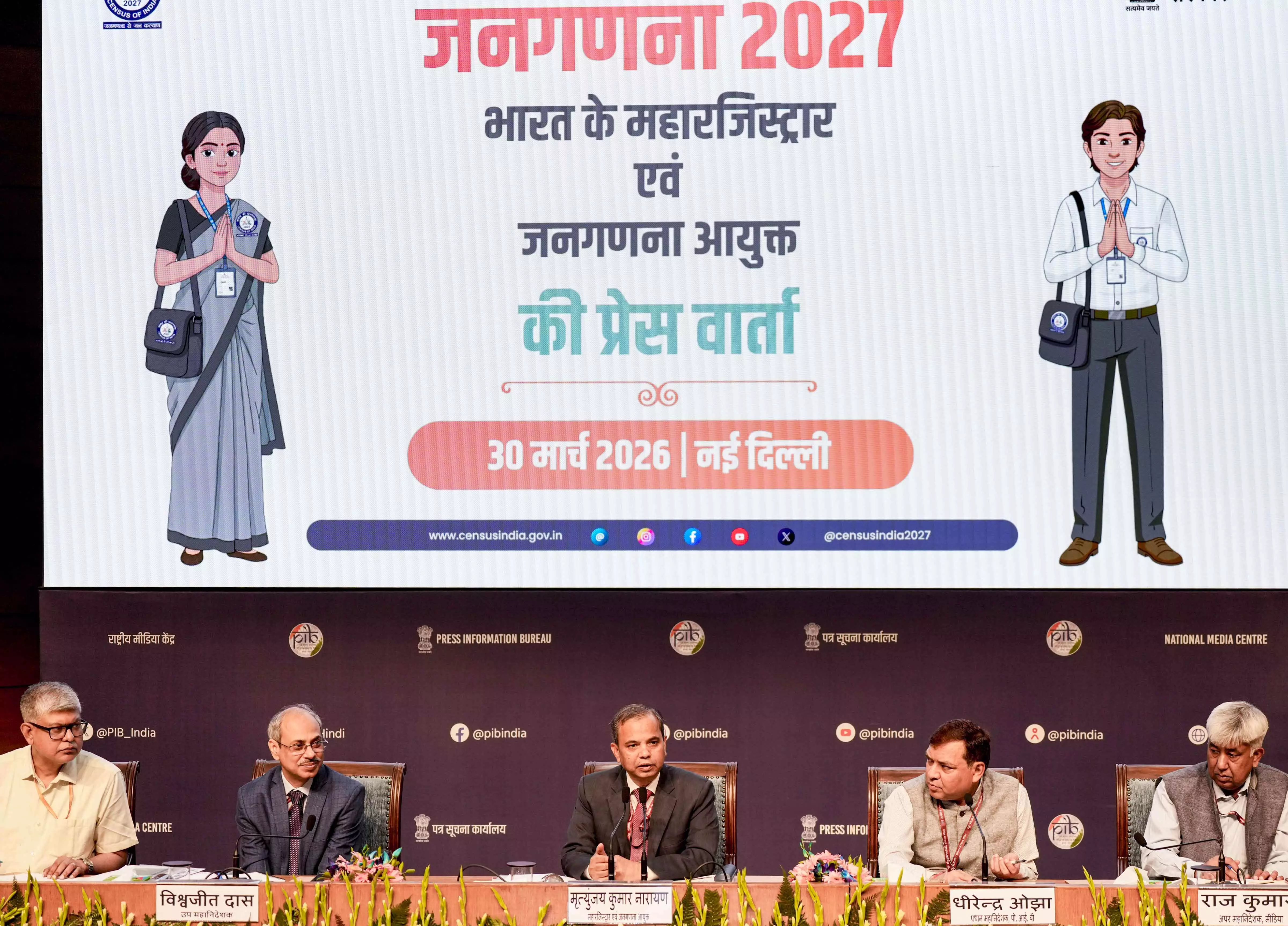


NEW DELHI: The central government has announced that Census 2027 will be conducted in a fully digital format for the first time, marking a major shift in how the country collects population data. People can file details online ahead of a visit from a census worker. This shift opens a new path – submit early and avoid repeat checks. The system leans on access, clarity, and timing. Each household gets a chance to respond beforehand, easing the process when someone comes knocking.
A fresh headcount looms for India – its sixteenth go-around, eighth after freedom – shaped by laws from ‘48 and rules set in 1990. Not since 2011 has the country paused to count every soul. Then again, come 2027, another round begins, confirmed flat-out on June 16, 2025.
One piece at a time, the count begins with housing records. Starting in April 2026, teams will log home setups across most regions until September. Yet in places such as Goa, Karnataka, and Mizoram, fieldwork wraps up by mid-May. Earlier, between April 1st and 15th, families may type in their home facts on a site – no need to wait. That early step gives them a special code. Later, when workers knock, sharing it speeds things along. Island zones like Lakshadweep follow this quicker timeline too. Even Delhi’s selected spots move fast. Home features, what’s inside, who lives there – all noted. Not every state runs the same dates, though. Some finish sooner because of local plans. Midway through comes Population Enumeration – slated mostly for February 2027, though snowy zones begin before then. Out there, teams dig into details: who people are and how they earn, learn, move, or raise families. Alongside that, records of caste take shape too. Marking time differently in remote hills, the count freezes at midnight, October 1, 2026; elsewhere it waits until March 1, 2027.
This round looks different because tech plays a big role now. Right after collection, data flows straight into systems through smartphones used by field staff. Filling forms yourself online becomes an option for everyone. In total, sixteen tongues are welcome on both digital paths – one being Hindi and another English. A new way of handling daily work has started, using computers to make ID tags, hand out jobs, and teach workers what they need to know, while also watching how things move forward. People in charge stress that keeping information safe matters a lot right now. This massive count includes every state and territory – thirty-six in total – alongside more than seven thousand sub-districts, nearly ten thousand towns, and close to 639,000 villages. Funding worth Rs 11,718.24 crore got the green light from national authorities, meant for tech tools, transport needs, staff learning sessions, and wages for those collecting data. Presently, training rolls out nationwide in phases, touching roughly 3.1 million people who will soon conduct door-to-door surveys. Come January first, 2026, boundary lines stay put until spring of next year. Back in November 2025, trial runs popped up across roughly five thousand small zones to check how well the updated tools worked. Starting with digital tools, the 2027 census plans to shift how India gathers headcount details – making it smoother, sharper, and still simpler. That move? It signals progress within the nation’s information backbone.