CAQM revokes GRAP-3 curbs inDelhi-NCR as air quality improves
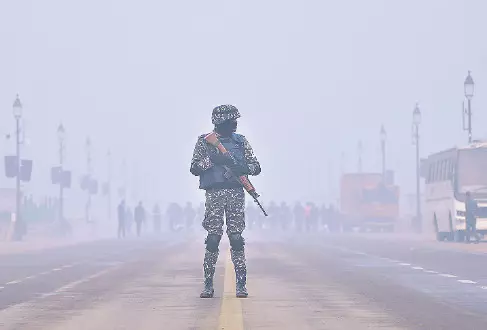


New Delhi: The Commission for Air Quality Management in NCR and Adjoining Areas on Friday lifted curbs under Stage 3 of the Graded Response Action Plan after a marked improvement in air quality across the region, officials said.
According to the Commission, Delhi’s Air Quality Index showed a steady decline over the past day. “The AQI of Delhi, which was recorded as 380 on Thursday, has significantly improved and recorded 236 at 4 pm on Friday, exhibiting a trend,” an official said. In view of this improvement, the CAQM Sub-Committee on GRAP decided to revoke all measures under Stage 3 with immediate effect across the National Capital Region. The official added that actions under Stages 1 and 2 would continue to remain in force.
With the withdrawal of Stage 3 restrictions, non-essential construction and demolition activities can resume across Delhi-NCR. This includes earthwork, piling, open trenching, welding, painting, plastering, tiling and flooring. Operations of stone crushers, brick kilns and mining activities have also been permitted, subject to adherence to pollution control norms. The transport of construction materials such as cement, sand and fly ash has been allowed again.
Vehicle-related restrictions imposed during Stage 3 have also been rolled back. BS-III petrol and BS-IV diesel four-wheelers are now permitted to operate, and the ban on non-essential diesel-run medium goods vehicles has been withdrawn. Inter-state diesel buses that do not meet CNG, electric or BS-VI standards are no longer barred from entering Delhi. Schools will also see a return to normal schedules. Physical classes for students up to Class five, which had shifted to a hybrid mode during Stage 3, can now fully resume. The Commission, however, clarified that construction and demolition sites that were shut through specific closure orders due to violations will not be allowed to restart operations unless an explicit order is issued permitting them to do so.
Despite the easing of Stage 3 curbs, several preventive and control measures under Stages 1 and 2 will continue across the NCR. These include intensified mechanical and vacuum sweeping of identified roads, daily water sprinkling with dust suppressants at hotspots and busy corridors, and strict inspections at construction sites to ensure compliance with dust control norms. Other measures remaining in place include regular lifting and proper disposal of municipal, construction and hazardous waste, a complete ban on open burning of biomass and garbage, increased use of anti-smog guns, strict checks on vehicle pollution certificates, impounding of visibly polluting vehicles, diversion of non-destined trucks via peripheral expressways, and action against over-aged vehicles. Industries, brick kilns, hot mix plants and thermal power stations will stay under close monitoring, while the ban on firecrackers, restrictions on coal and firewood use, and limits on diesel generator sets will also continue.
GRAP classifies air quality into four stages, from ‘Poor’ at an AQI of 201–300 to ‘Severe Plus’ above 450. Officials noted that winter conditions, combined with vehicular emissions, stubble burning, firecrackers and local pollution sources, often drive air quality to dangerous levels in the region.