SIR process triggers surge in anxiety across city, say mental health experts
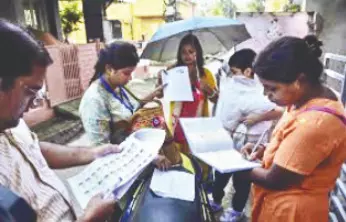


Kolkata: The zeal to return to Toba Tek Singh remains in the hearts of many who still carry the fear of being uprooted, wandering with the longing to return “home”. But what happens when the home you have always known begins to lose its certainty—and one day your own country labels you an “infiltrator”?
This sentiment, fraught with insecurity and fear, is resurfacing sharply across the city amid the ongoing SIR process. Mental health professionals report that anxiety related to the procedure has surged “like a pandemic”, particularly among the underprivileged and the elderly. Instances of extreme vulnerability and even suicidal thoughts have also been recorded across other socio- economic groups.
Dr Arunima Ghosh, consultant psychiatrist, explained that the process remains unclear to many. “People from underprivileged communities lack a complete understanding of the procedure, while elderly individuals—often not technologically adept—struggle to navigate the required steps. This combination is heightening anxiety across these two groups,” she said. Psychiatrist Dr Abhijit Chakraborty observed that individuals already coping with anxiety disorders form one of the most affected segments.
“The SIR has become a precipitating factor for them. It’s the anticipation—the fear of what might go wrong—that is causing the most distress,” he said. Recalling a case, he described a middle-aged man suffering from insomnia and restlessness, who was deeply troubled by a misspelt name in the 2002 voters’ list, convinced that the error might jeopardize his citizenship. Another mental health practitioner, Mohit Ranadip, shared the case of a man who had been living outside the city for several years and was scammed of a large sum while attempting to obtain duplicate documents through an informal network. “He already had obsessive-compulsive disorder. After losing the money and still lacking original documents, he is now terrified of being labelled an ‘outsider’,” Ranadip said.
Adding to these cases, Mandabi Bhattacharyya, a mental health worker, spoke of troubling patterns among elderly residents. A 60–65-year-old man reportedly visited seven to eight BLAs across political parties, repeatedly seeking confirmation that his SIR form was filled correctly—never satisfied with the explanations given. In another case, a 50–55-year-old educated man was so overwhelmed by fear that he asked family and friends to fill out his form, unable to do it himself.
Mental health professionals unanimously agree that the SIR process has tapped into an already fragile emotional climate. In a world where hurried lives, fractured routines and relentless uncertainties have made mental health struggles a prominent part of our social landscape, this new layer of fear has only deepened the cracks.