Prolonged dry spell threatens first-flush tea crop in N Bengal
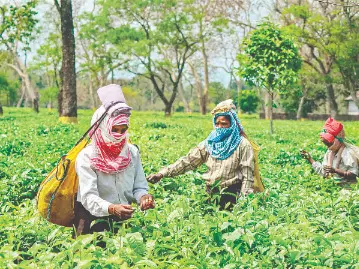


Alipurduar: A prolonged dry spell has once again cast a shadow over North Bengal’s tea industry, raising serious concerns over the upcoming first-flush crop. Tea gardens across Alipurduar, Jalpaiguri and Darjeeling districts have not received rainfall for nearly four consecutive months.
Industry sources said the last rainfall across the hills, Terai and Dooars—covering nearly 302 tea gardens—was recorded on October 5. Pruning work in most estates was completed by December, and plucking of the prized first flush is scheduled to begin from February 20. The first flush, produced between January and March, accounts for a major share of annual production and revenue due to its superior quality.
Although tea buds have begun to appear despite the absence of winter rain, experts warn that inadequate soil moisture has hampered proper nourishment, threatening both quality and yield.
Earlier, the region used to receive 10–12 cm of winter rainfall, but planters now point to the growing impact of climate change on the industry.
With winter gradually giving way to rising temperatures, the situation has worsened. Financial constraints have prevented most tea gardens from installing artificial irrigation systems.
Higher temperatures have also increased fears of pest attacks, particularly looper and helopeltis.
However, planters say strict Indian Tea Board guidelines, which allow only eco-friendly pesticides, limit their ability to respond swiftly during emergencies. Adding to the anxiety, the weather department has forecast no rainfall in the hills, Terai and Dooars for at least the next 15 days.
Chinmay Dhar, Manager of Majherdabri Tea Estate in Alipurduar, said: “We have introduced artificial irrigation by bearing additional costs to combat the dry season and compensate for the lack of winter rain.
But the situation in most other gardens is alarming. Due to moisture shortage, tea buds and tender first-flush leaves have already started turning reddish, which will severely affect production. If rainfall does not arrive soon, the entire industry will suffer.”
Ram Avatar Sharma, secretary of the Dooars branch of the Indian Tea Planters’ Association, said that the industry was already under economic stress and hoped for rain to salvage first-flush production.