Panic, anger ripple across Matua belt as SIR deletions reopen citizenship faultlines before WB polls
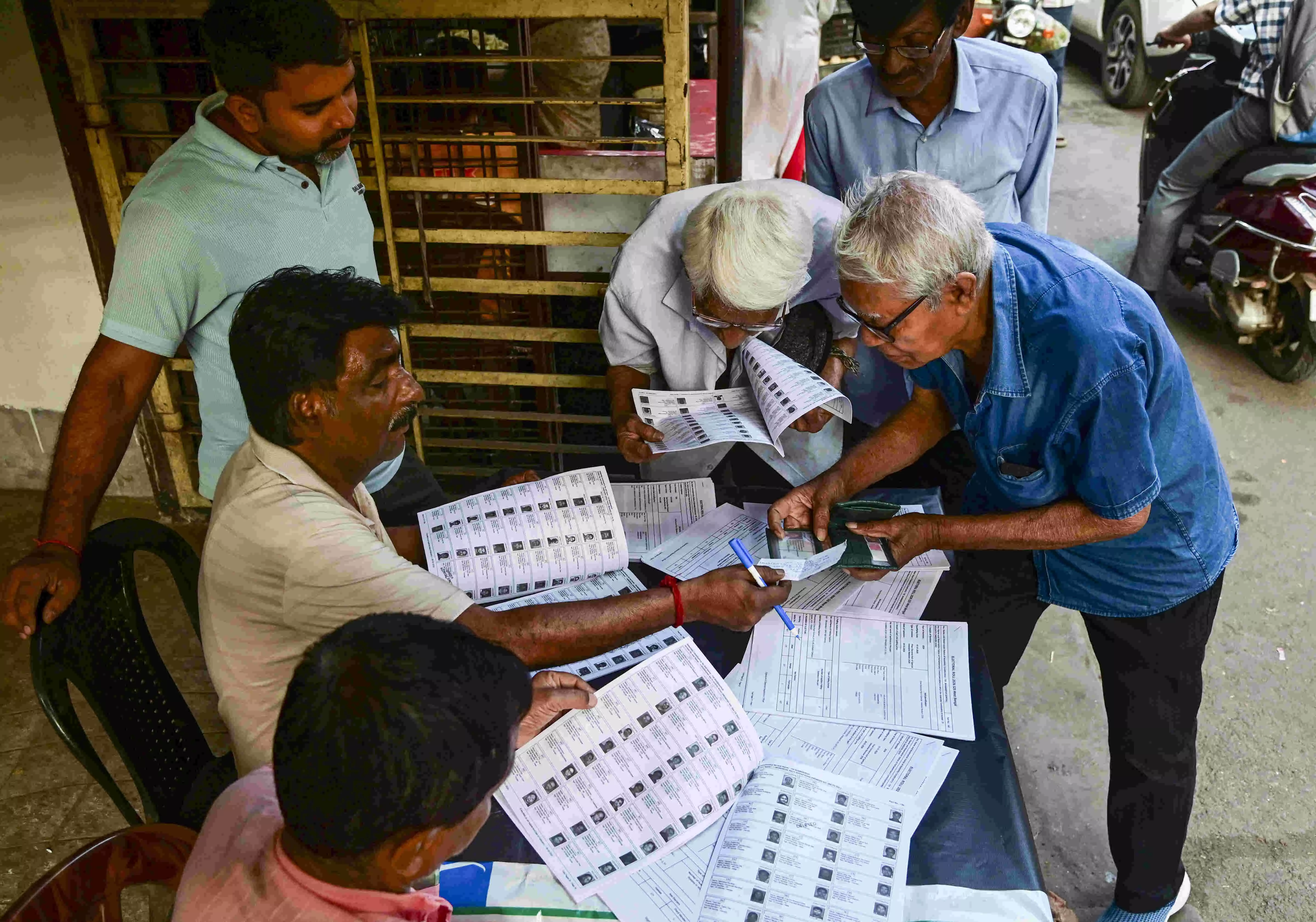


Kolkata: Panic, anger and suspicion are rippling through West Bengal's Matua heartland, pushing the BJP into a defensive mode in its bastion even as the TMC senses a political opening, after large-scale deletions under the Special Intensive Revision (SIR) of electoral rolls. The Election Commission's first intensive revision since 2002 has reopened old wounds in the border districts. For the Matuas, a Scheduled Caste Hindu refugee community with decisive influence in over 50 assembly seats across North 24 Parganas and Nadia districts in south Bengal and parts of north Bengal, the exercise has revived anxieties over identity, documentation and belonging. Under the SIR framework, voters whose names did not feature in the 2002 rolls were required to furnish eligibility documents. For lakhs who emigrated from Bangladesh over decades, often without formal paperwork, that scrutiny has now translated into deletions, leaving many confronting disenfranchisement.
The numbers underline the scale. In the second phase, Dabgram-Fulbari saw 16,491 deletions, Bagda 15,303 and Kalyani 9,037, all Matua-majority seats. Bagda had already recorded 24,927 deletions in the first phase, Gaighata 16,718, Bangaon-Uttar 26,183 and Bangaon-Dakshin 18,562. With fresh cuts, total deletions stand at 40,230 in Bagda, 34,109 in Bangaon-Uttar, 25,464 in Bangaon-Dakshin, 23,488 in Gaighata, and around 15,000 in Swarupnagar. In most segments, thousands have been placed 'under adjudication' category. Across Nadia and North 24 Parganas, several Matua-dominated seats have reported deletions ranging from 25,000 to 40,000 since the process began, even as thousands remain under adjudication -- a parallel pool that could further reshape the arithmetic. Overall, 63.66 lakh names, about 8.3 per cent of the electorate, have been deleted since November, reducing West Bengal's voter base from 7.66 crore to 7.04 crore. Another 60 lakh voters remain 'under adjudication'. While the EC maintains the exercise is aimed at removing duplicate, deceased and ineligible voters, in the Matua belt, it has become political dynamite.
In Thakurnagar, the Matua sect's spiritual headquarters, residents possess Aadhaar, ration and voter cards but many fear these could be rendered meaningless as many availed these documents illegally and now their names have been deleted from the rolls. The Matuas, followers of a 19th-century reformist movement that challenged caste hierarchies, began migrating from East Pakistan in the 1950s. Today, they form nearly 17 per cent of West Bengal's population and constitute the state's largest Scheduled Caste group. Recognised as a pivotal refugee vote bank, they were once courted by the Left, later by the TMC, and since 2019 have tilted significantly towards the BJP after the party foregrounded the citizenship plank. Of the roughly 50 assembly seats where Matuas play a decisive role, a majority went to the BJP in 2021. Party insiders say Matua and other refugee-dominated areas alone accounted for over half of the BJP's tally of 77 in the last assembly polls. The support base remained largely intact in the 2024 Lok Sabha polls. Now, internal mapping by community leaders suggests that in several areas under Bongaon and Ranaghat assembly segments, nearly 30-40 per cent of voters have been affected for failing to link their names to the 2002 rolls. In parts of Krishnanagar and Ranaghat, where Matua voters form nearly 60 per cent of the population, similar fears are surfacing.
Mahitosh Baidya, general secretary of the Matua Mahasangha, described the mood as one of "confusion and anxiety". "More than 50 per cent of the Matuas have been omitted from the voter list. We really don't have any answers as to what to do next," he said. He said citizenship certificates issued so far in Matua belts are "minuscule" compared to an estimated one crore eligible applicants. Union minister and Bongaon MP Shantanu Thakur, the BJP's Matua face, sought to reassure the community. "There is no need to worry if the names of refugee Matuas are deleted. They will get Indian citizenship under the CAA. Those who entered India till December 31, 2024, have nothing to worry about," he said. A local BJP leader in Bangaon admitted there is "visible erosion" among sections of voters who had been ardent supporters since 2019. "People are asking why their names were deleted. We are telling them this is roll purification and that CAA will protect genuine refugees," he said. TMC MP Mamatabala Thakur, who leads a rival faction in the Thakur family, which is the spiritual head of the Matua community, alleged that those who emigrated after 2002 and lack documents have been disproportionately affected. "The names of Matuas have been deleted as those who came after 2002 lack documents and will lose voting rights. We had warned from the beginning that Matuas would suffer the most because of the BJP's citizenship jumla," she said.
For the BJP, the deletions represent a high-stakes gamble: double down on the CAA plank and promise eventual restoration, or risk alienating the refugee constituency that powered its post-2019 surge. For the TMC, the churn offers a chance to reclaim refugee votes, but it also puts the burden of managing anxiety in border districts where identity politics runs deep. With barely two months to go for the assembly polls, the Matua belt has turned into the election's sharpest faultline, where every deletion doubles as a political trigger.