Lawyer can’t face trial sans conspiracy proof: Cal HC
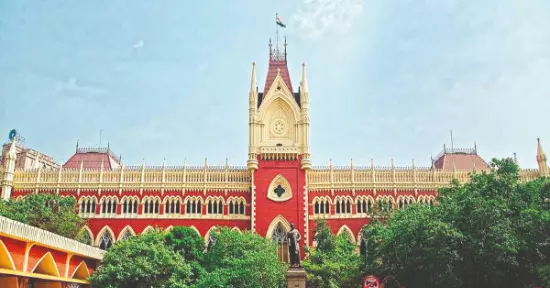


Kolkata: The Calcutta High Court has quashed criminal proceedings against an advocate empanelled with Vijaya Bank, holding that a lawyer cannot be sent to trial without evidence that he was part of a conspiracy to cheat the bank.
Justice Ajoy Kumar Mukherjee observed that an imperfect legal scrutiny report, by itself, is not enough to attract criminal liability in the absence of material showing a pre-concerted plan with other accused.
The case arose from a 2005 housing loan in which the bank relied on the advocate’s legal scrutiny report. The borrower had obtained the loan using a property that had previously been mortgaged to another bank. During a later vigilance probe into several allegedly fraudulent loans, the CBI alleged that the lawyer had failed to verify original documents and had wrongly certified the property as free of encumbrances.
The trial court had refused to discharge him, saying that issuing a non-encumbrance certificate was a responsible task requiring thorough searches in registration offices and courts. The High Court found this reasoning contradictory. It noted that the advocate was not named in the original complaint, was shown to have gained nothing from the transaction, and that the investigation had produced no material linking him to the beneficiaries of the loan. The legal report he issued did not, the court said, indicate any role in defrauding the bank. The court also recorded the lawyer’s explanation that the earlier mortgage had been created by depositing title deeds, a form of mortgage that does not appear in public records. His submission that lawyers relied on documents provided to them and had no centralised system to detect prior equitable mortgages was also noted. The allegation that he had not raised a bill for his work was found insufficient to suggest wrongdoing.
Justice Mukherjee held that the trial court had acted like a “mouthpiece of the prosecution” by framing charges without weighing the overall material. In this case, the allegations at best pointed to possible professional negligence, which did not amount to a criminal offence.
Allowing the revision, the High Court quashed the proceedings against the advocate alone, clarifying that its observations were restricted to him and would not affect the case against the remaining accused.