
Covid: State Health dept stresses on genome sequencing of samples
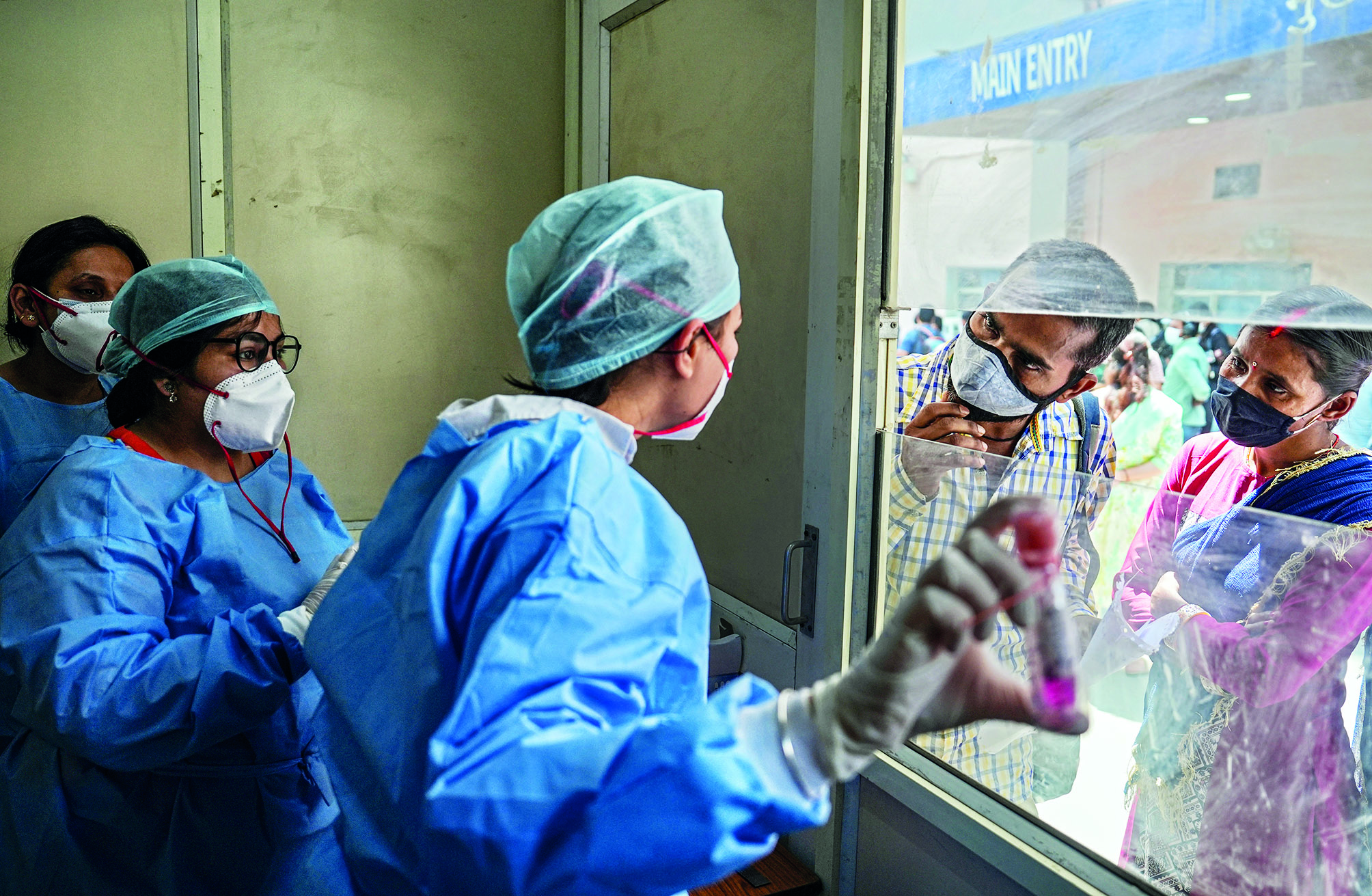


Kolkata: With fresh cases of Covid being reported from the city, the State health department has directed its officials to ensure genome sequencing is performed on the samples collected from the positive patients.
Sources said that three more patients, including a 5-month-old baby were also found positive for Covid on Thursday. The number of fresh Covid infected patients might have gone up to nearly 15 in Bengal so far, unconfirmed sources said. Kolkata has reportedly seen its first Covid death since August this year after a 70-year-old man passed away in a private hospital in the city. The death certificate of the patient mentioned that he died due to cardiac arrest and he was Covid positive as well. The deceased was admitted to the hospital around 3 days ago. Incidentally, India has logged 797 new cases of COVID-19, the highest in 225 days, while the number of active cases of the infection has been recorded at 4,091, the Union health ministry said on Friday. Five new fatalities due to Covid — two from Kerala and one each from Maharashtra, Puducherry and Tamil Nadu — have been reported in a span of 24 hours, according to the ministry’s data updated at 8 am. The country had recorded 865 new cases on May 19. The number of daily cases had dropped to double-digits till December 5, but the cases have again gone up after the emergence of a new variant and cold weather conditions.
According to a recent report of the state health department, Covid sub-variant JN.1 has not been found in any of the samples which had undergone genome sequencing in National Institute of Biomedical Genomics. Genome sequencing was performed on around 30 samples. Out of this, around 23 samples were picked up during September while seven samples were collected from the patients recently.
With cases of the Covid-19 sub-variant JN.1 on the rise across several countries, the World Health Organization (WHO) has designated it as a “variant of interest” separate from its ancestor BA.2.86 that is commonly referred
to as Pirola.



