Birth certificate forgery case must face trial, says Cal HC
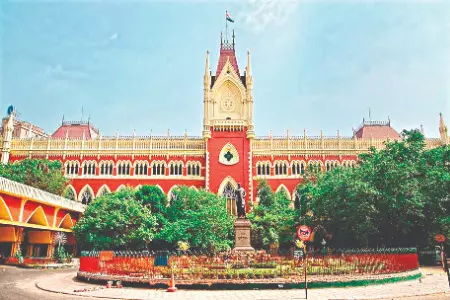


Kolkata: The Calcutta High Court has refused to quash criminal proceedings relating to the alleged forgery of affidavits used for delayed registration of births, holding that the materials collected during the investigation disclose a prima facie case that must be examined at trial.
Justice Ajoy Kumar Mukherjee observed that proceedings cannot be terminated at the threshold merely because an accused was not named in the first information report (FIR). Whether the allegations are ultimately proved or not, the court held, would require appreciation of evidence by the trial court. The case arose from a complaint lodged by the Block Development
Officer (BDO), Tehatta, following a hearing into applications seeking delayed registration of births. The complaint alleged that forged affidavits had been submitted in support of such applications.
The court noted that notices were issued to the applicants and a hearing was conducted, which was also video-recorded. The minutes of the hearing, along with the videography, were forwarded to higher authorities. On the same day, the BDO lodged the FIR, annexing the hearing records.
During probe, officials examined by the police stated that some applicants claimed they were unaware that the affidavits were forged but admitted to having paid money to persons who had procured the documents on their behalf.
Based on the materials collected, the investigating officer concluded that a prima facie case was made out against the accused, including the petitioner. The petitioner contended that he was not named in the FIR, that no specific role had been attributed to him in the charge sheet, and that no incriminating material had been seized from him. It was further argued that his implication was based solely on the statement of a co-accused recorded during the investigation.
Rejecting the plea, the court held that issues such as knowledge, intent and the use of allegedly forged documents involve questions of fact that can only be determined during trial. The court also noted judicial concern over the practice of obtaining delayed birth certificates on the basis of false affidavits, observing that such acts undermine the integrity of vital public records and warrant strict scrutiny rather than premature termination of criminal proceedings.
The court clarified it had not entered into the merits of the case and that all remedies available to the accused at the stage of framing of charge or at any subsequent stage of the trial remained open.