Bengal govt tables Rs 4.06 lakh crore interim budget; targets women, youth ahead of polls
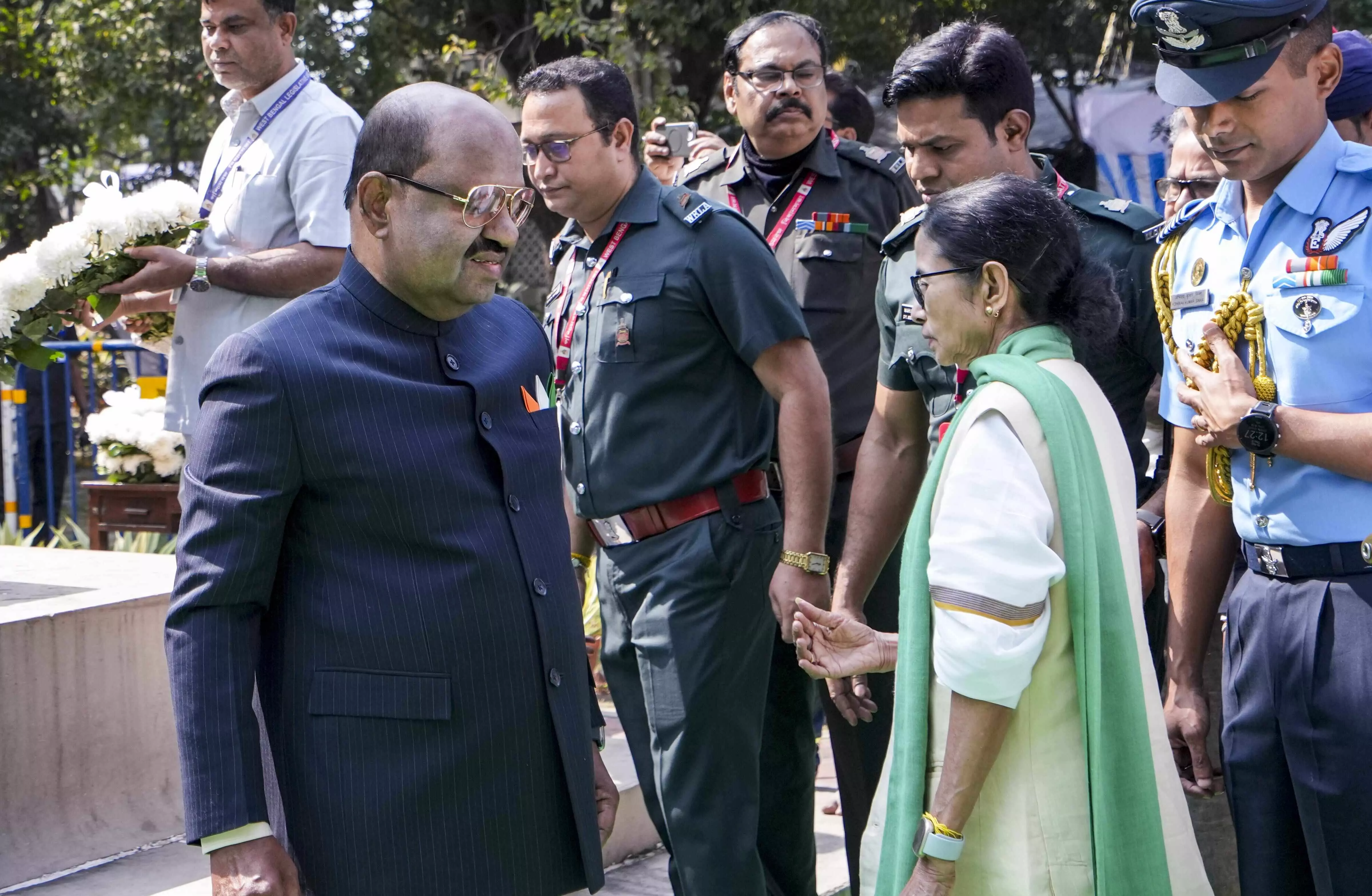


Kolkata: The West Bengal government on Thursday tabled a Rs 4.06 lakh crore interim budget in the state assembly for the 2026-27 financial year, rolling out cash support and allowance hike measures targeting women, youths and frontline workers ahead of the polls due in less than three months. In the heart of the budget lies a renewed push to consolidate women voters, nearly half of state's electorate and the Trinamool Congress's most dependable electoral base. The state government proposed to hike the monthly grant in the 'Lakshmir Bhandar' scheme by Rs 500 from February this year, allocating a hefty Rs 15,000 crore. The allowance is at present Rs 1,000 for general category women and Rs 1,200 for SC/ ST women.
Tabling the budget, state Finance Minister Chandrima Bhattacharya also announced that the state government will launch a scheme -- 'Banglar Yuva Sathi' -- to provide Rs 1,500 monthly allowance to unemployed people in the 21-40 years age group till they get jobs or for a period of up to five years. The scheme will be launched from August 15 if the Trinamool Congress returns to power. Chief Minister Mamata Banerjee said her government had managed to prioritise welfare and development despite what she called "sustained financial deprivation" by the Centre. "Our budget is pro-people, not directionless and rudderless like the Union Budget," she said at a post-budget press conference, maintaining that the state had adhered to fiscal discipline even while expanding social sector spending. The interim budget also cast a wide net over politically influential grassroots workers.
Anganwadi and ASHA workers, civic volunteers, Green Police personnel and village police -- all key touch-points of the state's welfare delivery machinery -- were granted monthly allowance hikes, along with death compensation in the case of Anganwadi staffers. Together, these measures signal a deliberate effort to secure the loyalty of a vast informal workforce that often shapes electoral mobilisation at the booth level.bGovernment employees, a constituency that has frequently expressed discontent over dearness allowance arrears, were offered a four per cent DA hike, even as the state reiterated its intent to work towards implementing the 7th Pay Commission -- a move aimed at tempering staff union resentment ahead of polling. Alleging that the Centre owed West Bengal nearly Rs 2 lakh crore in legitimate dues, Banerjee said funds for key schemes such as the Mahatma Gandhi National Rural Employment Guarantee Scheme, rural housing, rural roads and the Sarva Shiksha Abhiyan had been blocked for years. "Despite the state being financially deprived by the Centre, we have brought in a pro-people budget. Our commitments have not been compromised and all promises have been fulfilled. This is not an election gimmick," she said, adding that the announced hike in grants and allowances would be made available immediately. Beyond welfare, the budget sought to project a development narrative, announcing five new MSME industrial parks, a master plan to arrest Ganga erosion in Murshidabad and Malda, and initiatives to build business- and environment-friendly cities. An allocation of Rs 2,000 crore for the state-run 100-day rural job scheme 'Mahatma Shree' further underlined the government's emphasis on employment support outside the Centre's MGNREGA framework. Banerjee, at the press conference, defended the fiscal choices, insisting the state had delivered a "pro-people" and "disciplined" budget despite what she described as financial deprivation by the Centre. Leader of Opposition in the state assembly, Suvendu Adhikari, however, criticised the budget saying, "An interim budget cannot be a shopping list of election bribes."