
Bangladesh turmoil disrupts patient inflow to Kolkata hosps


Kolkata: The ongoing political crisis in Bangladesh has adversely impacted the inflow of patients from the neighbouring country to Kolkata hospitals primarily due to delays in issuance of visas and fear psychosis among them, officials said. Besides, this has also impacted the publishing industry in Kolkata with sales of books of Bengali authors on both sides of the border and count of ‘floating’ purchasers “declining”, stakeholders said on Thursday.
“The Peerless Hospital has seen a drastic drop in the footfall of patients from Bangladesh and the impact is on both outpatient and inpatient workload,” a senior official of the medical establishment said.
A similar drop was registered in other facilities like the Woodlands Multispecialty Hospital, Desun Hospital and Manipal Hospitals, officials said. “There has been a drastic drop in footfall of patients from Bangladesh, impacting both outpatient and inpatient departments. The drop is close to 90 per cent,” Peerless Hospital managing director Ravindra Pai told a news agency. “The current political turmoil in Bangladesh and marked reduction in the issuance of visas are the primary reasons for it,” Pai said. On the fate of the scheduled surgeries, the Peerless Hospital MD said: “Now, with the delay in visas, there is no question of scheduling the surgeries. In case patients start coming, we are geared to conduct the surgeries.” Talking to a news agency, managing director & CEO of Woodlands Multispecialty Hospital Limited Rupak Barua said: “There has been a sharp decline in patient inflow from Bangladesh in the last four months.” “Although the number of OPD patients from Bangladesh has fallen by 50 per cent in the last four months at Woodlands, the monthly OT numbers have remained constant.
However, there are no admitted patients from Bangladesh at Woodlands currently,” Barua said. “The reason for the fall could be attributed to delays in the issuance of medical visas due to deteriorating bilateral relations and fear psychosis,” he said, adding that “the last surgery of a Bangladeshi patient was a caesarean section around 15 days ago and no surgeries could be scheduled after that.”
Desun Hospitals Group director Shaoli Dutta said they registered nearly a 60 per cent drop in Bangladeshi patients.
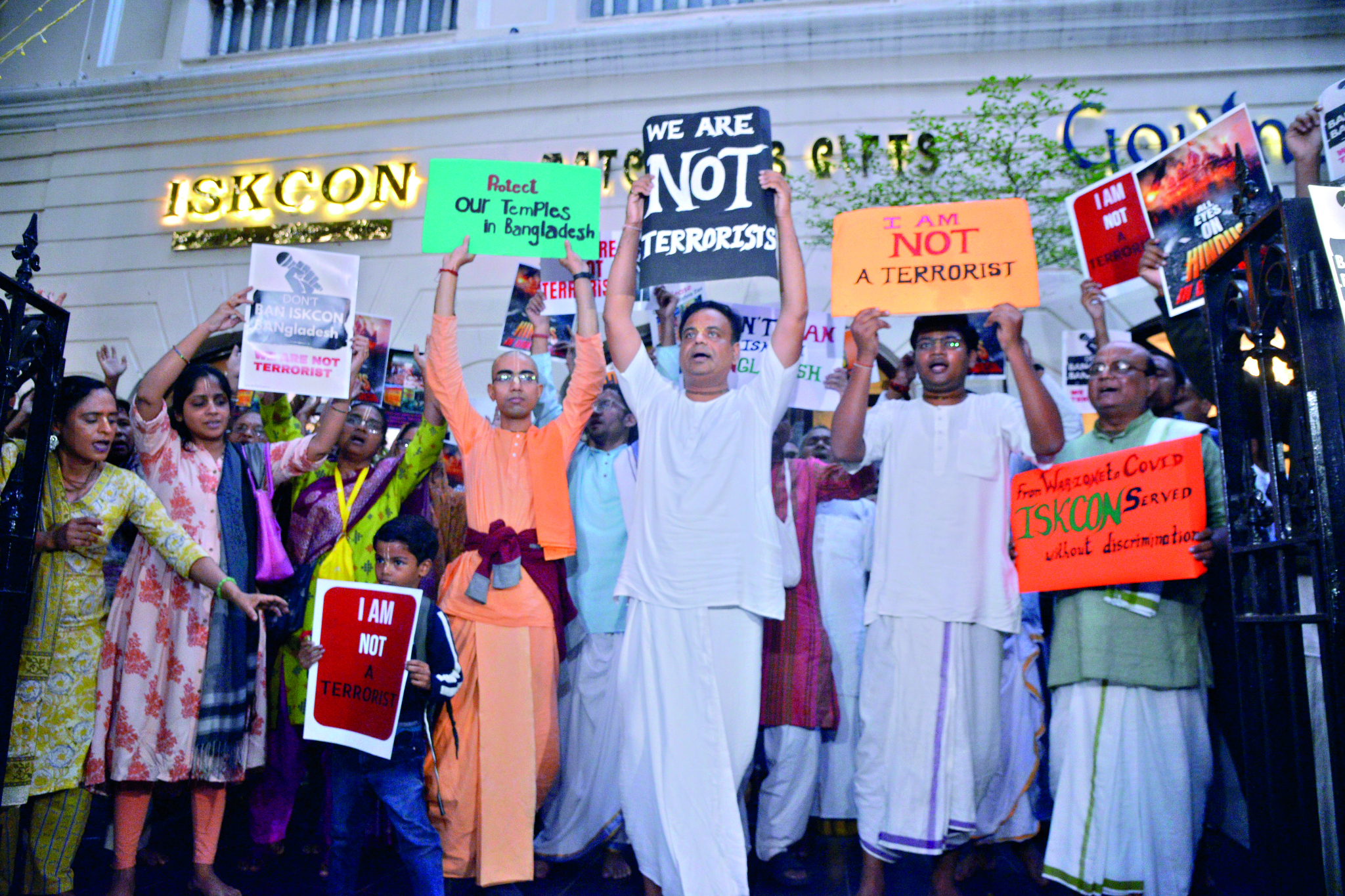
“The number of Bangladeshi patients seeking treatment in Kolkata, including at Desun Hospitals, has significantly reduced. Across the city, there has been a drop of nearly 75 per cent in the inflow of Bangladeshi patients and we have also observed a similar trend,” Dutta said. “The decline started in August, coinciding with the unrest in Bangladesh. However, the dip has been more pronounced since October following the arrest of monk Chinmay Krishna Das, which seems to have further impacted cross-border patient movement. Before August, Desun Hospitals received an average of 900-1,000 Bangladeshi patients monthly. This figure has decreased by approximately 60 per cent,” she said.
A spokesperson of the Calcutta Medical Research Institute (CMRI) said: “Since the Covid pandemic, there have been no Bangladeshis seeking treatment at our hospital.”
The crisis has also affected Bangladeshi patient inflow to Techno India DAMA Hospital and Disha Eye Hospitals, an official said. Meanwhile, with the Bangladesh book pavilion already out of contention from the city’s biggest literary carnival, the upcoming Kolkata International Book Fair and publishers with business ties in Dhaka admitting to a nearly 40 per cent dip in ‘floating’ readers of Bangladeshi titles over the past fortnight or so, the signs look ominous.
‘Floating’ or non-premeditated readers, who make sudden decisions to purchase books during their visits to a stall, account for a significant bulk of sales in the publishing world. “While the 60-70 per cent committed readers continue to visit our bookshop in College Street and the stall of our representative in Dhaka, some 30-40 per cent of first-time or floating readers are missing during recent times,” Sudip Dey, a director of Dey’s Publishing, one of the biggest seller-publishers of Bangladeshi writers and publications,
said.With agency inputs



