Balurghat: Ballot talk fades, daily hardships dominate tea-stall talks
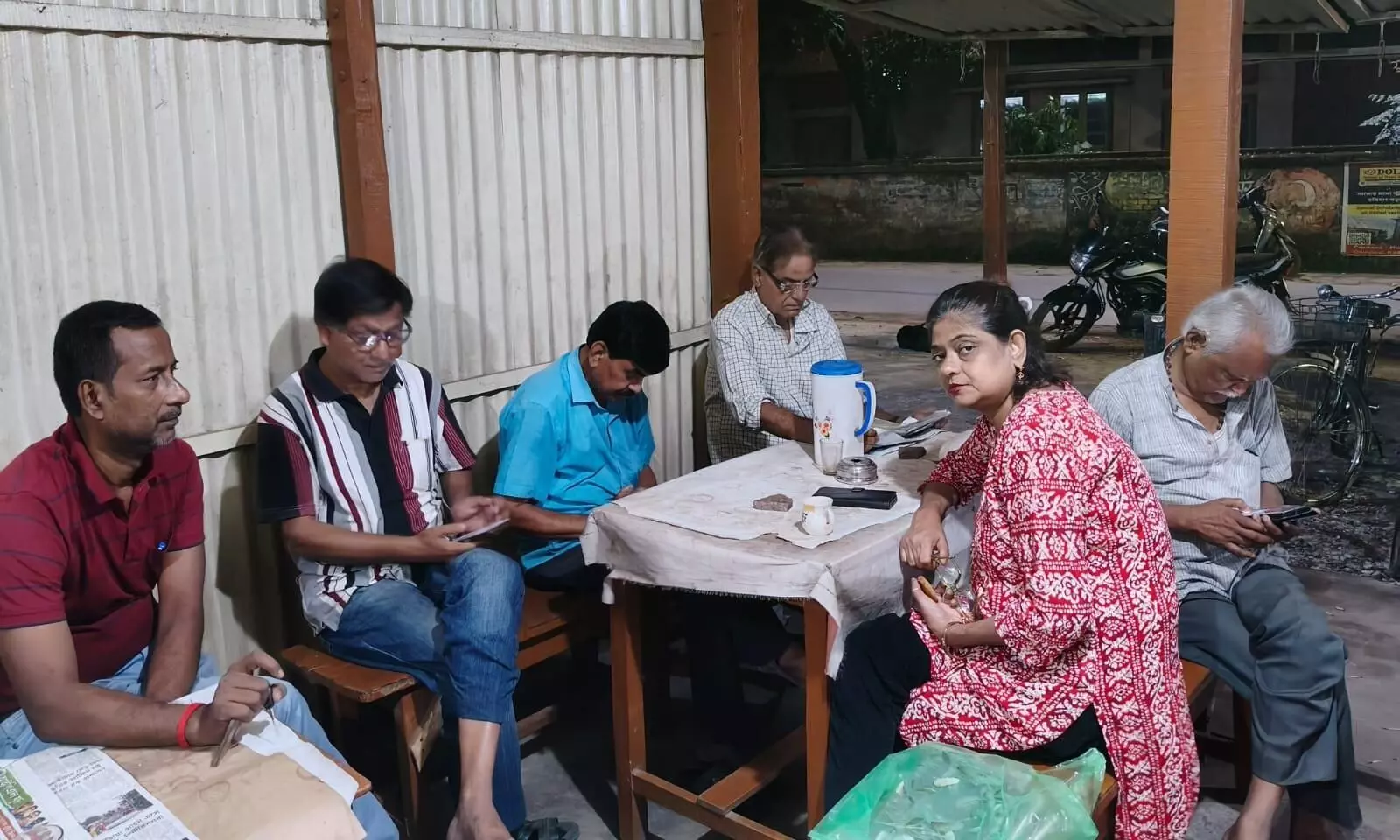


BALURGHAT: As the bugle of the upcoming Assembly elections grows louder, a markedly different mood is taking shape in the tea stalls of Balurghat town. Conversations that once revolved around electoral prospects, party strategies and candidates have now given way to discussions steeped in frustration over rising living costs and everyday hardships.
At a modest tea stall near the old telephone office, run by Samar Das, the shift in public sentiment is unmistakable. When asked who might win the elections, Anirban Bagchi, a retired architect from the state Irrigation Department, reacted sharply. Finishing his tea, he said: “What difference does it make to us who wins? Will gas prices fall? Will petrol become cheaper?” His response reflects a growing disillusionment among residents.
Sunandan Goyala, a primary school teacher, voiced similar concerns. “What is the point of discussing elections? Political parties are busy serving their own interests while we are suffering,” he said. He pointed to the acute shortage of cooking gas, adding that even after booking a cylinder, there is no certainty about delivery. “We are forced to buy cylinders in the black market for Rs 1,300. Who will address these issues?” he asked.
Daily wage labourer Ranjit Das, nodding in agreement, questioned the conflicting narratives surrounding the crisis. “The state blames the Centre, the Centre denies any shortage. Then where does the problem lie?” he wondered. “Everything has become politics. We are worried about how to run our households, not about who will form the government.”
Samar Das, who has been running the tea stall for nearly four decades, noted a visible change this election season. “Earlier, elections dominated every conversation here. This time, such discussions are almost absent,” he said. Earning barely Rs 400 to Rs 500 a day, he struggles to sustain his family amid rising prices of essentials, medicines and fuel.
Despite the lack of enthusiasm, most residents still intend to vote. “Voting is our democratic right. Also, after the Special Intensive Revision, there is fear that names might be struck off if we don’t vote,” Samar added. Housewife Sumi Chakraborty expressed similar resignation.
“Will voting solve our problems? Mustard oil prices have risen from Rs 180 to Rs 186 per litre, but our income hasn’t increased,” she said. “It feels like standing in queues has become our only routine.”
Retired government employee and theatre personality Jishnu Niyogi summed up the prevailing sentiment. “What is the use of discussing elections when we are struggling with soaring prices? No one thinks about common people anymore,” he lamented.
Across Balurghat, tea-stall conversations mirror this reality, where electoral curiosity has taken a backseat to the pressing concerns of
daily survival.