
Authorities warn against hotels posing as homestays, urge policy compliance
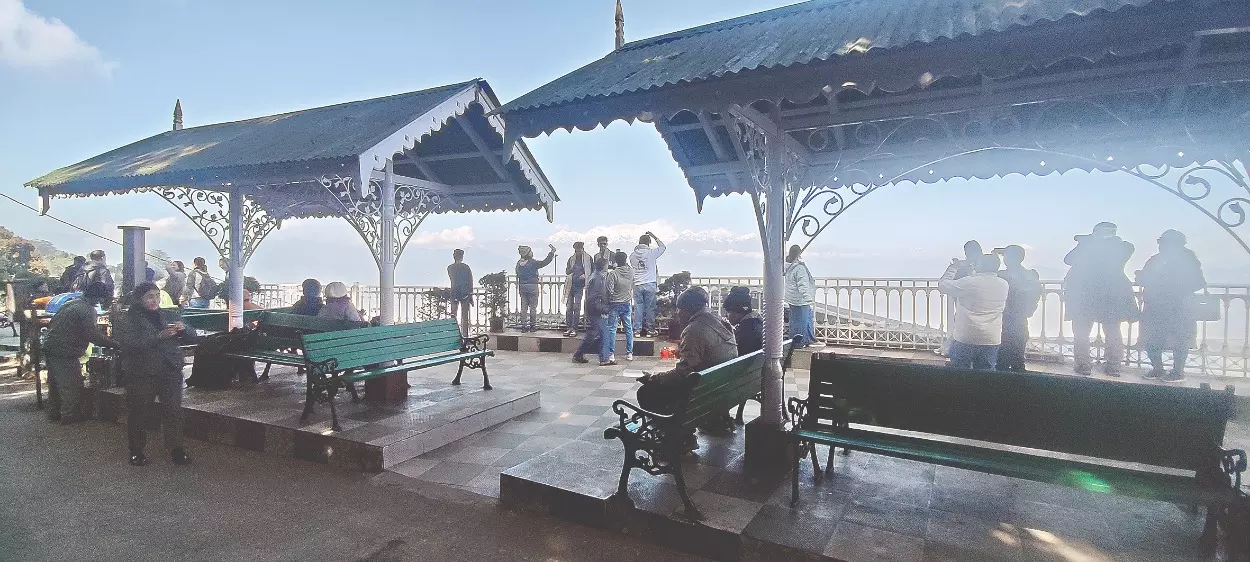


Darjeeling: With more and more tourists seeking solace in rural areas away from the din and bustle of city life, homestays are becoming popular by the day, resulting in a boom in the Kalimpong and Darjeeling hills. On the flip side, there are reports of some misusing the “homestay” tag to run resorts and hotels, thereby reaping benefits meant only for registered homestays.
Kalimpong district, in particular, has scripted a success story, boasting the highest number of homestays in the state and also the highest concentration in the country in terms of area. “There are around 1,135 registered homestays in Kalimpong and around 400 in Darjeeling,” informed Dawa Gyalpo Sherpa, chief coordinator, Tourism department, Gorkhaland Territorial Administration (GTA).
Stakeholders, however, are apprehensive that with rapid expansion, the primary goal of preserving intangible cultural heritage is being diluted. Many have stressed the need for a policy and methodology overhaul. “Recently, I interacted with homestay owners of Sittong. They were advised by WBSEDCL to install commercial power lines.
Homestays do not require commercial electricity connections. However, many have flouted the criteria mandatory for homestays and are running hotels and resorts under the homestay tag,” stated Sherpa.
He urged all homestay owners to strictly adhere to the gazette notification issued by the Tourism department, Government of West Bengal, on September 13, 2022, titled ‘West Bengal Homestay Tourism Policy 2022.’ As per the policy, a homestay is defined as “a place where the owner of the establishment or his/her family member is physically residing in the same establishment and letting out a minimum of one room and a maximum of six rooms (12 beds) with toilet facilities exclusively for tourists.” Registered homestays receive a grant of Rs 1 lakh in two instalments from the
state government.
“Anything with more than six rooms or leased-out property will not be treated as a homestay. Such establishments will require commercial electricity connections, requisite commercial licences and will also have to pay GST,”
added Sherpa.
Raj Basu, chairman of West Bengal government’s Eco Tourism, said India’s homestay movement began in 1994 in Tinchuley, Darjeeling, to preserve intangible cultural heritage, but has since drifted into “homestay-lodges” lacking genuine host–guest interaction and cultural sharing. Darjeeling Homestay Owners’ Association secretary Yuvraj Pradhan stressed strict enforcement of rules, opposing leasing of homestays, which he said undermines responsibility, authenticity, and principles of responsible tourism.



