Air quality: Malda’s pollution surges to dangerous levels
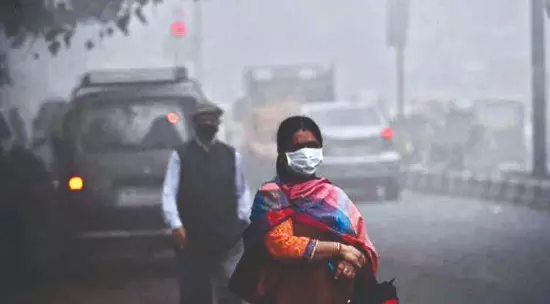


Malda: Malda is choking under an unexpected and alarming surge in air pollution. Recent assessments by researchers and environmental observers reveal that Harishchandrapur and Kaliachak Police Station areas are recording the highest Air Quality Index (AQI) levels in the district, raising widespread public health concerns.
In Harishchandrapur, the AQI has reportedly touched 200, categorised internationally as unhealthy. Kaliachak too is showing significant deterioration, placing thousands of residents—especially children and the elderly—at risk. Experts question why districts like Malda are experiencing pollution similar to Delhi and Ghaziabad, despite their rural setting.
A special team from the Environmental Monitoring Centre recently conducted a field study. Their findings confirm the grim picture. “This level of pollution is typically seen in major urban centres. For rural belts, the situation is extremely worrying,” said a member of the visiting expert team. The northern regions of Harishchandrapur—Bhaluka, Daulatnagar and Mashaldaha—have been particularly affected. Dust from soil excavation, emissions from brick kilns and suspended particles from construction activity are believed to be major contributors. Visibility in several areas has reportedly dropped, prompting residents to restrict outdoor activities for children and seniors.
Adding to the crisis, a recent study by a researcher from the department of Botany at Gour Banga University has detected microplastics in the air in Sujapur. Published in two international journals—Frontiers in Environmental Chemistry and Scientific Reports—the study analysed samples from Kaliachak, Sujapur and English Bazar.
“Malda has entered the pollution belt. We found 12 to 15 types of plastic polymers, many with high environmental hazard indices,” the researcher stated. Sujapur’s readings were particularly alarming, while Kaliachak showed moderate risk. Under the guidance of Professor Abhijit Sarkar, the study emphasises the potential health implications. “There is global evidence of microplastics being detected in blood, the brain and kidneys. That makes our findings especially concerning for local administration,” said Sarkar. Chief Medical Officer Sudipta Bhaduri warned: “When air pollution reaches unhealthy levels, plastic particles can penetrate deep into the lungs. This can trigger headaches, eye irritation, asthma, cardiac issues and worsen childhood illnesses.”
Despite mounting concerns, officials from the district environment department have declined to comment. Residents, meanwhile, demand immediate intervention to prevent Malda from “slipping into a silent respiratory crisis.”