AI can't replace human touch, city docs on National Doctor's Day
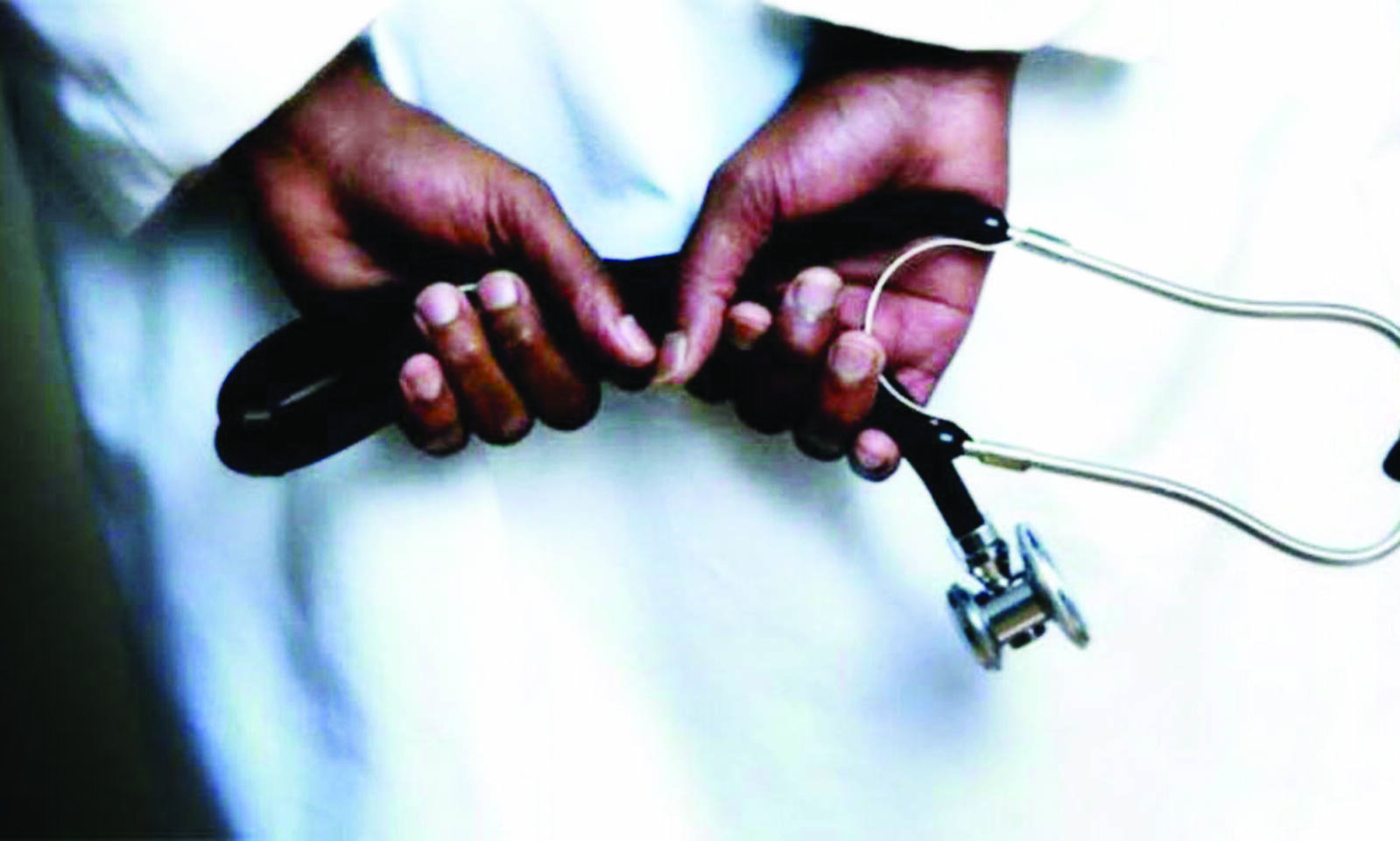


Kolkata: Artificial Intelligence (AI) and robotics have the power to significantly reshape healthcare delivery, streamline administrative tasks, facilitate telemedicine and accelerate research. Dr Subhrojyoti Bhowmick, clinical director, research and academics of a popular city hospital, doesn’t deny that AI has a huge role to play in healthcare transformation but also mentions how AI can never replace the human touch.
“One of the fields, which will gain massively due to AI implementation, is the department of radiology where normal X-rays, CT scans, and MRIs could be easily detected and read by AI. The critical ones can be kept for the radiologists. We have an acute crunch of radiologists in the country. Another field that is going to get a lot of impetus due to AI is histopathology and cancer detection. I agree AI will be an enabler but medical science is subjective and a lot of art is involved in treating patients. So, human touch and communication can never be replaced,” he said.
Kolkata’s renowned ophthalmologist Dr Soham Basak said AI will revolutionise the future of ophthalmology. According to him, the common diseases where AI and deep learning (DL) are being developed extensively are diabetic retinopathy, age-related macular degeneration, and glaucoma. “Other areas where AI is useful in diagnosis are cataract detection and grading, dry eye diagnosis and grading, retinopathy of prematurity, corneal ulcer detection,” he said.
Time and again, medical practitioners are rooting for AI when it comes to analysing vast amounts of patient data, including medical records, images, and genetic information, which will aid in timely diagnosis. Dr Basak also admits the use of AI in analysing medical records and augmenting
research.
“The famous 2019-2020 video of Google CEO Sundar Pichai showing how, from a simple retinal image, AI can determine age, gender, and predict cardiac risks is awe-inspiring. It just goes to show the endless possibilities of AI,” he said. Though he speaks affirmatively about the integration of AI in eye care, he also informs about the ethical, regulatory, and legal aspects of AI in the medical industry.
For Dr Atanu Kundu, a medicine expert, the successful implementation of AI in medical science in India faces several key challenges. According to him, AI algorithms can be influenced by biases present in the data, leading to biased outcomes in healthcare decisions. Also, in India, there can be challenges in obtaining diverse, representative and curated healthcare data due to variations in data quality, standardisation, and accessibility.
“AI applications in healthcare need to adhere to regulatory standards and guidelines to ensure patient safety, data privacy, and ethical considerations. In India, the regulatory framework for AI in healthcare is still in a nascent stage, and there is a need for clear guidelines and policies to address the specific challenges posed by AI in medical science,” he said.
Dr Kundu also feels implementation of AI in healthcare requires a skilled workforce with expertise in both AI and medical science.